

Denture Treatment
歯科ハミール高田88 Director
Masashi Motegi
Hello, I’m Masashi Motegi, the director.
Many people put up with problems like “my dentures don’t fit” or “they hurt too much to chew with” and keep using them anyway. Ill-fitting dentures spoil the enjoyment of eating and put strain on your remaining teeth and jaw.
At 歯科ハミール高田88, we take the time to ask about the condition of your mouth and what you’d like, and work to create dentures that fit. My treatment philosophy of preserving as much of your natural teeth as possible applies to denture design as well. We also explain the cost and the time needed to make them in advance.
Here in Takadanobaba, our local community, I’d be glad to help you get back to an everyday life where you can chew properly.
Get Back the Joy of Eating With Comfortable Dentures
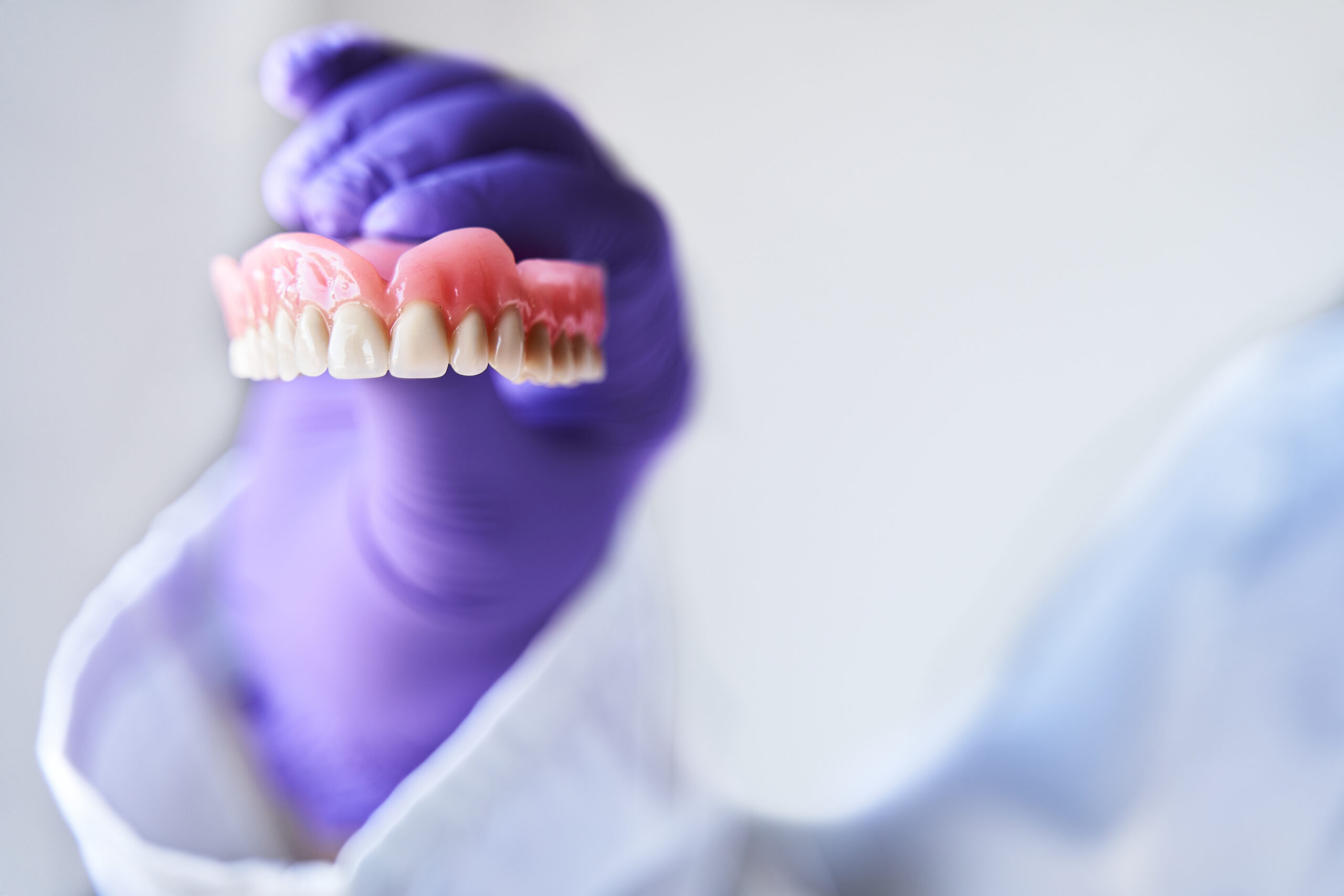
If you have lost a tooth and leave it untreated, strain builds up on your remaining teeth and your bite becomes misaligned. Beyond the effect on appearance, not being able to chew properly can spoil the enjoyment of eating and throw off your nutritional balance.
Denture treatment is one way to replace a lost tooth. Unlike implants, it requires no surgery, and treatment is completed in a shorter period than implant treatment. There is a wide range of options, from insurance-covered dentures to self-pay dentures designed for appearance and comfort.
Thanks to advances in technology, today’s dentures are far more comfortable than they used to be. Non-clasp dentures in particular, which have no visible metal clasps, look good and are chosen by many patients.
Cases Where Dentures Are Needed
When You Have Lost Several Teeth
If you have lost several teeth to cavities, periodontal disease, or an accident, dentures become one option. A bridge suits cases where few teeth are missing, while dentures or implants suit cases where a wider area of teeth has been lost.
When You Have Lost All Your Teeth
If you have lost all your teeth, a full denture becomes necessary. Because a full denture works by adhering to the gums, it can feel strange at first, but adjustment takes time. With proper adjustment, it becomes comfortable to use.
When Implants Are Not Suitable
Patients with a systemic illness, or who are taking medication for osteoporosis, may not be able to have implant treatment. Dentures are also a good fit for anyone who wants to avoid surgery or keep costs down.
When You Want to Protect Your Remaining Teeth
A bridge requires shaving down the healthy teeth on either side, but a denture can be fitted without shaving any teeth. Dentures suit anyone who wants to avoid shaving their remaining teeth as much as possible.
Types of Dentures
Partial Dentures
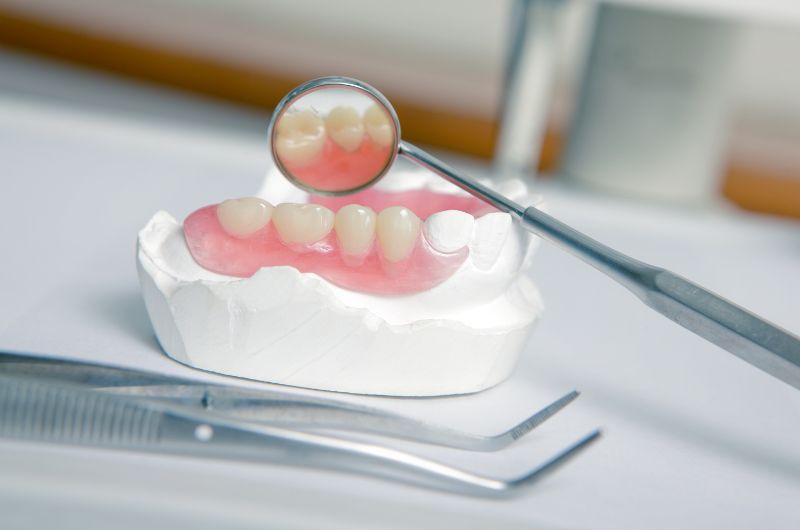
This type of denture is used when you have lost some, but not all, of your teeth. It’s held in place with clasps on your remaining teeth to replace the missing section. Both insurance-covered and self-pay versions are available, and appearance and comfort depend on the material and structure used.
If you are concerned about the appearance of visible metal clasps, we recommend a non-clasp denture, which has no clasps. A metal-based denture, which can be made thinner, can also reduce discomfort. We propose the type best suited to the number and position of your remaining teeth, and to your own wishes.
Full Dentures
This type of denture is used when all your teeth have been lost. It covers the entire gum of the upper or lower jaw and works by adhering to it. Because there are no teeth to anchor it to, you may feel considerable discomfort at first and need time to adjust.
An insurance-covered plastic denture keeps the cost down, but tends to feel more uncomfortable because of its thickness. A metal-based denture can be made thinner, causing less discomfort and making it easier to feel the temperature of food. With careful adjustment, it becomes comfortable to use.
Non-Clasp Dentures
This is a partial denture made with a special resin that blends with the color of your gums, using no metal clasps. The denture is hard for others to notice, and it has excellent esthetics. Because it can be made thin and lightweight, it also causes less discomfort.
We recommend this for anyone who has lost a front tooth, or who often speaks in front of others. Because no metal is used, there is no risk of a metal allergy. However, it is self-pay treatment, not covered by insurance.
Metal-Based Dentures
This denture has a base plate made of metal. Because it can be made thinner than a plastic denture, it causes less discomfort and makes speaking easier. Because metal conducts heat well, it is easier to feel the temperature of food, making meals more enjoyable.
We offer two types of metal-based denture: titanium and cobalt-chromium. Titanium is light, durable, and has a low risk of metal allergy. Cobalt-chromium is a strong material with a long, proven track record of use. Both are self-pay treatment, not covered by insurance.
Implant-Supported Overdentures
This method anchors a denture onto implants. It’s more stable than an ordinary denture, letting you bite with confidence. Because it’s removable, it’s also easy to clean. Whether this is suitable depends on the case, so please talk to us about it.
Features of Our Denture Treatment
A Wide Range of Options, From Insured to Self-Pay
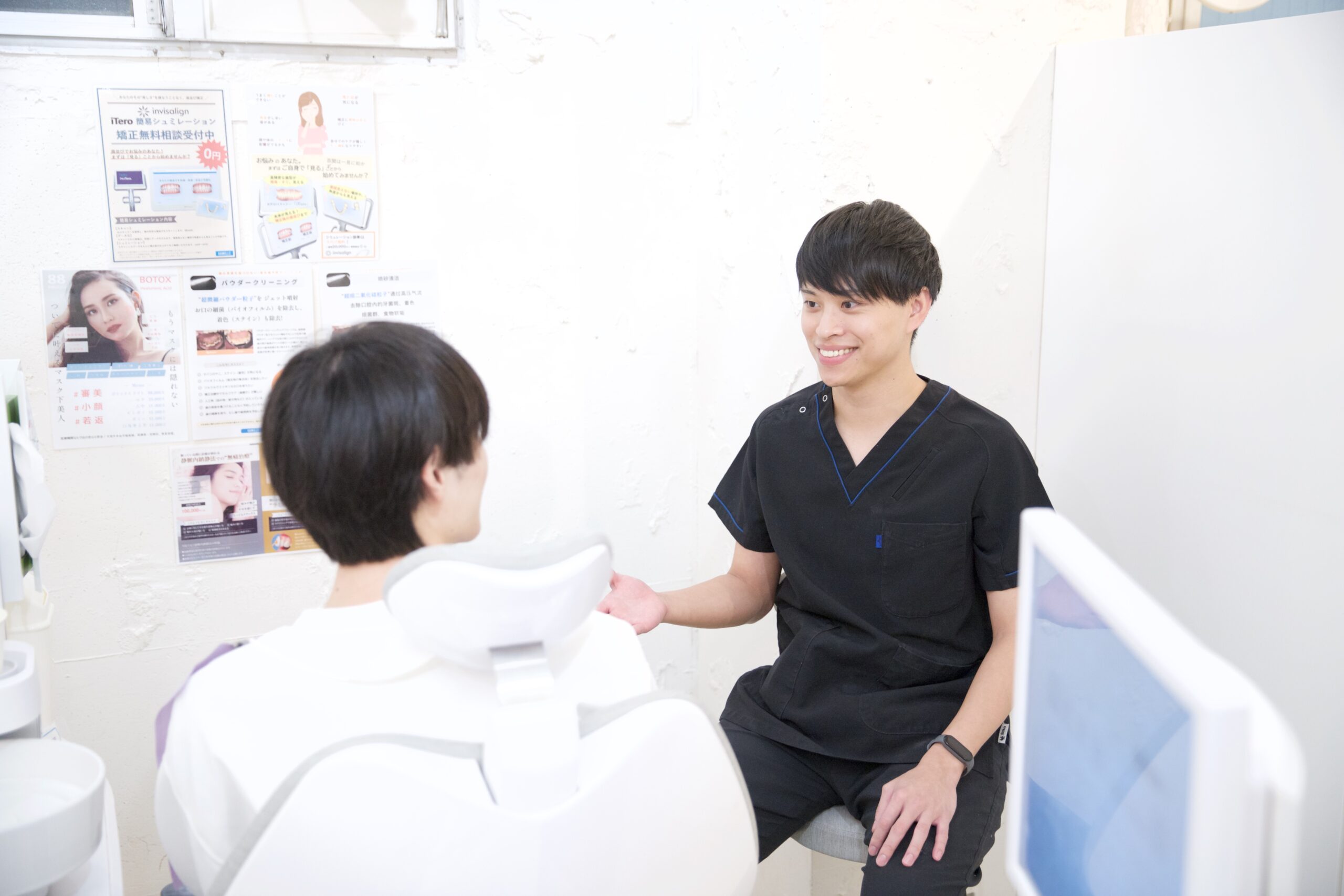
We offer a wide range of dentures, from insurance-covered dentures to self-pay options such as non-clasp dentures and metal-based dentures. We propose the denture best suited to the condition of your mouth, your wishes, and your budget.
Even an insurance-covered denture can be made comfortable with careful adjustment. You can also start with an insurance-covered denture and switch to a self-pay denture later if you want greater comfort.
Careful Adjustment for a Comfortable Denture
Adjustment after a denture is made is an important part of treatment. We carry out careful adjustment for a comfortable fit. Please tell us about anything that concerns you, such as a sore spot, a loose fit, or difficulty chewing.
Over time, your gums can shrink or the clasps can loosen, causing a denture to stop fitting well. Regular adjustment helps maintain a comfortable fit over time.
Insurance-Covered vs. Self-Pay Dentures
| Item | Insurance-Covered | Non-Clasp | Metal-Based |
|---|---|---|---|
| Material | Plastic | Special plastic | Metal (titanium / cobalt-chromium) |
| Appearance | Metal clasps are visible | Clasps are not noticeable | Thin and natural |
| Comfort | △ Thick, uncomfortable | ○ Thin and comfortable | ◎ Very thin and comfortable |
| Strength | △ Prone to cracking | ○ Somewhat resistant to cracking | ◎ Very durable |
| Sensing temperature | △ Hard to feel | △ Hard to feel | ◎ Easy to feel |
How Treatment Works
Medical History & Counseling
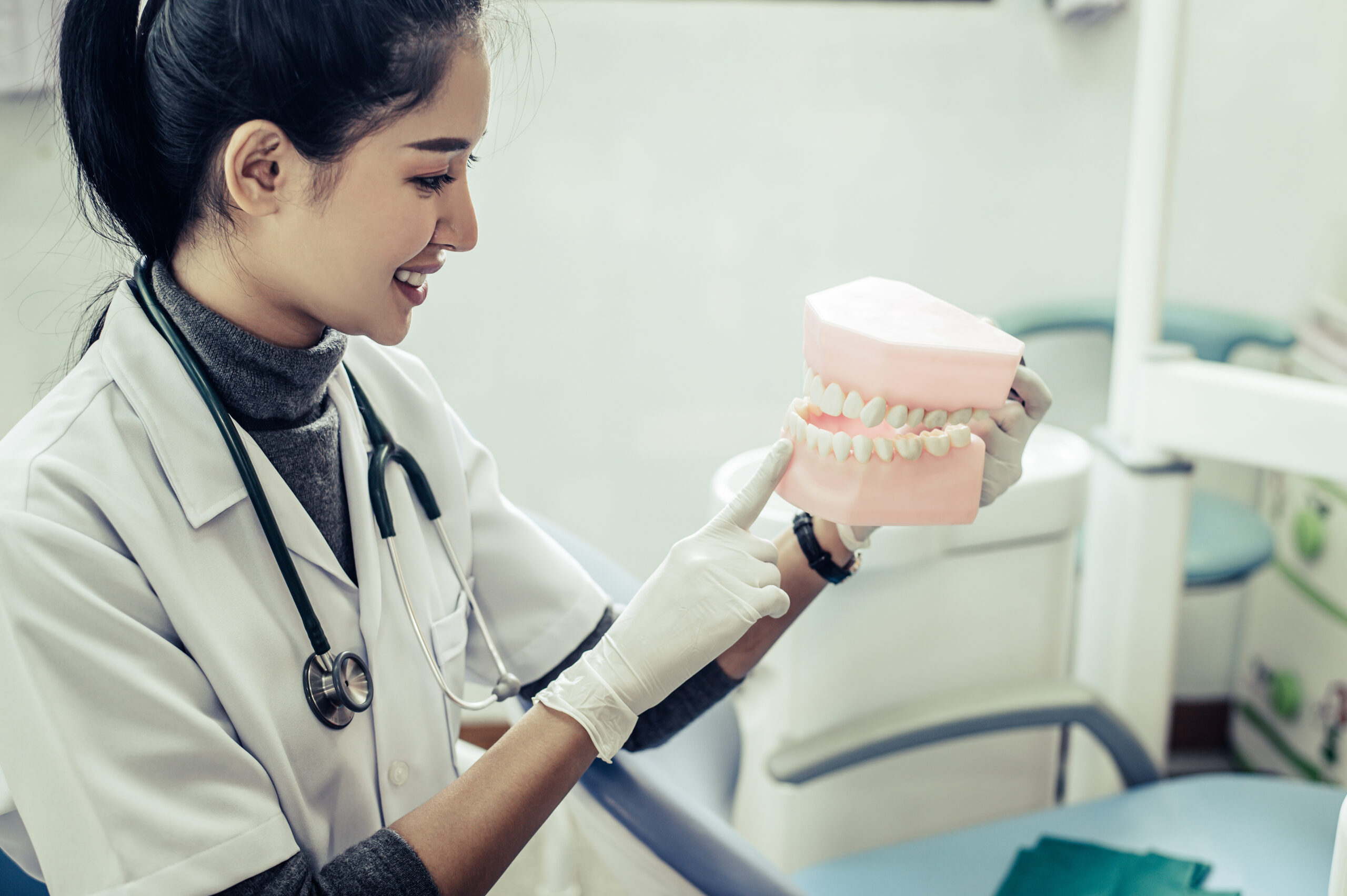
First, please tell us in detail about your current condition and concerns. We’ll also ask what kind of denture you would like and roughly what your budget is. We explain the difference between insurance-covered and self-pay dentures in an easy-to-understand way.
Examination & Diagnosis
We examine the inside of your mouth in detail, checking the condition of your remaining teeth and your gums. We take X-rays and check the condition of the bone as well. If you have a cavity or periodontal disease, we treat that first.
Explaining the Treatment Plan
Based on the examination results, we propose the type of denture best suited to you. We explain the advantages, disadvantages and cost of each option, such as insurance-covered dentures, non-clasp dentures and metal-based dentures. We begin treatment only once you are satisfied.
Taking Impressions & Recording Your Bite
We take a precise impression and record your bite. An accurate impression is essential to the fit of a denture. We record the shape of your remaining teeth and the condition of your gums in detail.
Try-In Fitting
Before the denture is finished, we carry out a try-in fitting. You can check the height of your bite and the color and shape of the teeth. If anything concerns you, it can be adjusted at this stage.
Fitting & Adjusting the Denture
We fit the completed denture. After fitting it, we check for sore spots and make sure you can bite properly. If anything concerns you, we adjust it right away. We also walk you through how to take the denture out and how to care for it.
Pricing
Insurance-Covered Dentures
| Type | Approximate Cost (30% Co-Payment) | Features |
|---|---|---|
| Insurance-covered partial denture | Around ¥5,000–¥10,000 | Plastic. Held in place with metal clasps. Keeps the cost down. |
| Insurance-covered full denture | Around ¥10,000–¥20,000 | Plastic. Keeps the cost down, but has some thickness. |
*As this is covered by insurance, the amount shown is an approximate cost for patients with a 30% co-payment. The amount varies depending on your co-payment rate.
Non-Clasp Dentures
| Number of Teeth | Price (Tax Included) | Warranty |
|---|---|---|
| 1–3 teeth | ¥99,000 | 5-year warranty (a partial charge applies depending on the number of years elapsed) |
| 2–5 teeth | ¥143,000 | 5-year warranty (a partial charge applies depending on the number of years elapsed) |
| 6 teeth or more | ¥176,000 | 5-year warranty (a partial charge applies depending on the number of years elapsed) |
Metal-Based
Titanium Metal-Based Denture
| Item | Price (Tax Included) | Warranty |
|---|---|---|
| Basic Fees | From ¥440,000 | 5-year warranty (a partial charge applies depending on the number of years elapsed) |
Additional options
- Porcelain teeth: ¥110,000 (tax included)
- Metal teeth: ¥110,000 (tax included)
Cobalt-Chromium Metal-Based Denture
| Item | Price (Tax Included) | Warranty |
|---|---|---|
| Basic Fees | From ¥330,000 | 5-year warranty (a partial charge applies depending on the number of years elapsed) |
Additional options
- Porcelain teeth: ¥110,000 (tax included)
- Metal teeth: ¥110,000 (tax included)
Self-pay dentures are expensive, so you can also use a dental loan and pay in manageable monthly installments. They are also eligible for the medical expense deduction.
Tips for Making Your Dentures Last
Daily Care
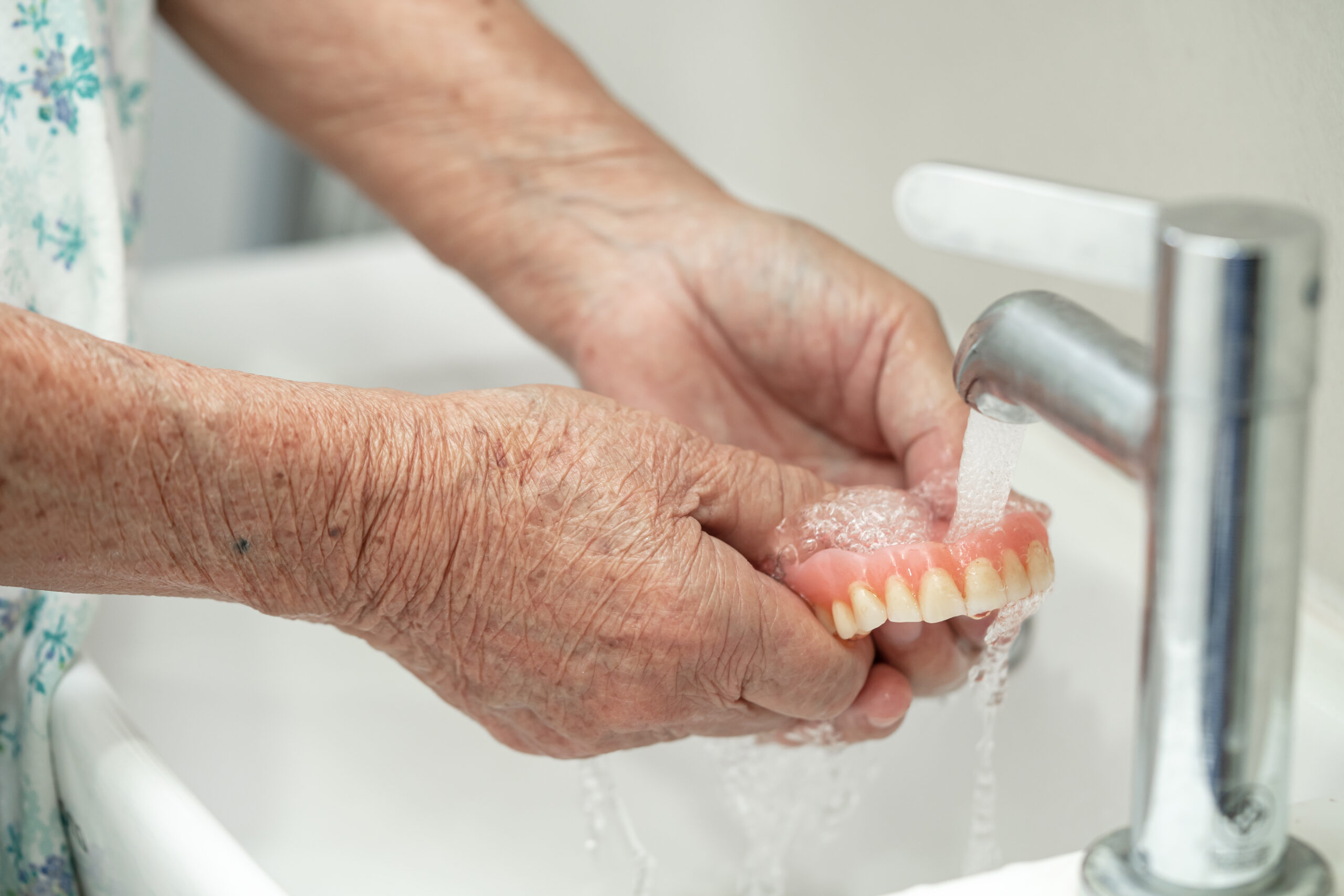
Caring for your denture every day is important. Take it out after every meal and take the time to clean it with a denture brush. Regular toothpaste contains an abrasive that can scratch a denture, so please use water or a denture cleanser instead.
We recommend taking your denture out at night and soaking it in a cleaning solution. This lets your gums rest and keeps the denture clean.
Caring for Your Remaining Teeth
With a partial denture, if the tooth the clasp is attached to develops a cavity or periodontal disease, the denture may become unusable. To take care of your remaining teeth, make a point of brushing well every day. Regular checkups to catch cavities and periodontal disease early are important too.
Learn more about preventive dentistry and teeth cleaning
Regular Adjustment
Over time, your gums can shrink or the clasps can loosen, causing a denture to stop fitting well. If anything concerns you, such as a sore spot, a loose fit, or difficulty chewing, please come in rather than putting up with it.
Regular adjustment keeps your denture comfortable to use and helps it last longer.
Be Careful With Hot Things
A plastic denture is sensitive to heat. Avoid disinfecting it in boiling water, or holding a hot drink in your mouth for a long time, as this can cause it to warp.
Be Careful Not to Drop It
Dropping a denture can break or crack it. When taking it out, do so over a basin or something similar, so it will be fine even if you drop it.
Common Questions
How Many Years Does a Denture Last?
With proper care and adjustment, a denture can last around 5 years. However, if your gums shrink or the condition of your remaining teeth changes, remaking it may become necessary. Regular adjustment lets you use it for longer.
How Long Does It Take to Make a Denture?
An insurance-covered denture is completed in about 1 to 2 months. A self-pay denture can take about 2 to 3 months, since it’s made with precision. That said, this period includes adjustment, so you’ll already be able to use it to some extent at the try-in stage.
Is a Denture Painful?
You may feel some discomfort or mild pain at first, but adjustment takes time. If the pain continues, it can be improved with adjustment. Please tell us where it hurts rather than putting up with it.
Can I Sleep With My Denture In?
In general, we recommend taking your denture out at night. This lets your gums rest and lets you keep the denture clean by soaking it in a cleaning solution. However, some patients with a full denture whose jaw position shifts when it’s removed do sleep with it in.
Which Is Better, an Insurance-Covered or a Self-Pay Denture?
If you want to keep costs down, we recommend starting with an insurance-covered denture. Even an insurance-covered denture can be made comfortable with careful adjustment. If you place importance on appearance and comfort, a non-clasp denture or metal-based denture is a better fit.
Which Is Better, a Denture or an Implant?
A denture suits anyone who wants to keep costs down or avoid surgery. We recommend an implant for anyone who places importance on biting strength, appearance and comfort. Each option has its own advantages and disadvantages, so we explain them in detail during counseling and propose the method best suited to you.
What Should I Do If My Denture Stops Fitting?
If anything concerns you, such as a sore spot, a loose fit, or difficulty chewing, please come in right away. In most cases, an adjustment can make it better. If it still doesn’t fit well after adjustment, we may suggest remaking it.
Considering Denture Treatment in Takadanobaba?
At 歯科ハミール高田88, we provide a wide range of denture treatment, from insurance-covered to self-pay. We also offer dentures designed for appearance and comfort, such as non-clasp dentures and metal-based dentures.
We’re a 1-minute walk from Takadanobaba Station and open on weekends too, so we’re easy to visit on your way home from work or school. If you’re struggling with an ill-fitting denture, or want to have a new one made, talk to us first. We provide comfortable dentures through careful adjustment.