

Dental Implants
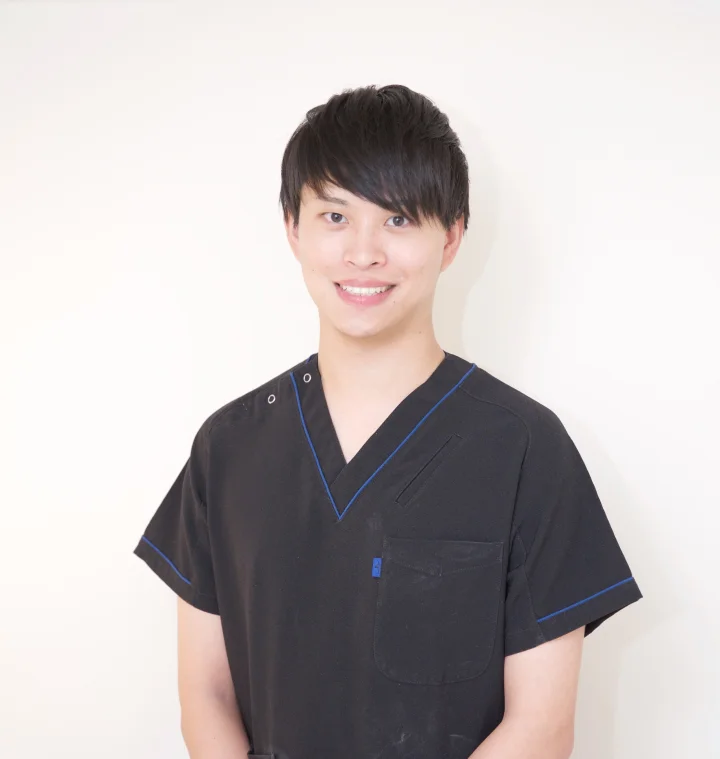
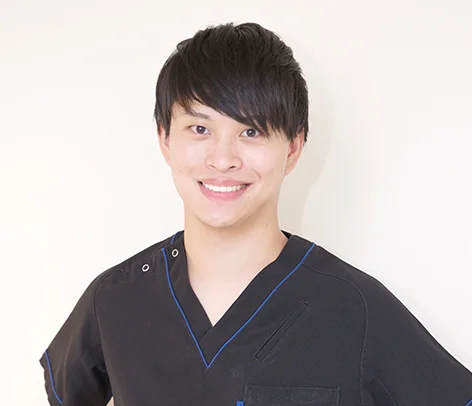
歯科ハミール高田88 Director
Masashi Motegi
Hello, I’m Masashi Motegi, the director.
Dental implants restore the function of a tooth you’ve lost. I’ve built my skills in the implant department of a university hospital, and it’s one of the areas we focus on here.
My treatment philosophy is to preserve nerves and natural teeth wherever possible, but when tooth loss cannot be avoided, it’s important to replace it in a way that doesn’t put strain on the teeth you have left. Since an implant doesn’t require shaving down any healthy teeth nearby, it can also be one way to protect your remaining teeth. Because this treatment involves surgery, I promise to explain the risks, cost, and length of treatment to you with nothing held back.
If you’re considering an implant here in Takadanobaba, come talk to us.
Treatment to Restore a Lost Tooth
If you lose a tooth and leave it as is, the neighboring teeth can tilt toward the gap and the opposing tooth can move into the space, throwing off your whole bite. Beyond the effect on your appearance, not being able to chew properly can take the enjoyment out of eating and make certain sounds harder to pronounce. Over time, the jawbone in that area can also shrink, which can change the contour of your face.
There are three ways to replace a lost tooth: a dental implant, a bridge, or dentures. Among them, implants are chosen around the world for restoring function and appearance closest to a natural tooth.
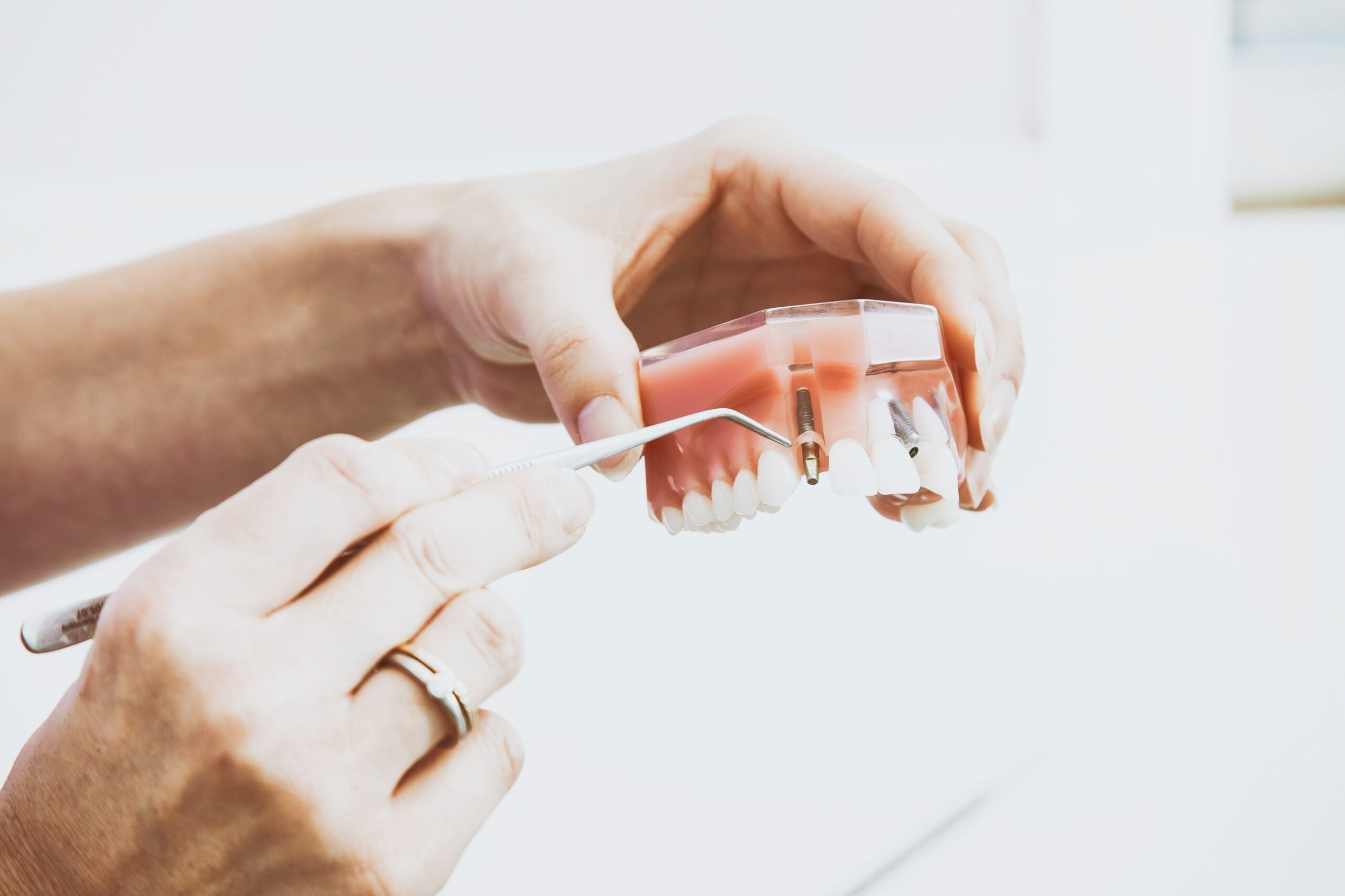
Implant treatment places a titanium artificial tooth root (the implant body) into the jawbone and attaches an artificial tooth on top of it. Because it provides a firm bite that resembles your own teeth, you can enjoy eating again, and it can improve your quality of life.
Our director trained at the Department of Oral Implantology at Tokyo Dental College, and we’ve set up the clinic so people in this area can receive treatment that draws on the specialized knowledge and skills he developed at the university hospital, here in Takadanobaba.
Benefits of Implant Treatment
A Firm Bite, Like Your Own Teeth
Because an implant is anchored in the jawbone, it provides a firm bite with a feel close to your own tooth. Compared with dentures or a bridge, it’s considered better at restoring your biting strength.
You can enjoy foods that are hard with dentures, like a tough steak, a rice cracker, or biting straight into an apple, without worry. Getting the enjoyment of eating back also makes it easier to maintain a well-balanced diet, which supports your overall health too.
A Natural, Beautiful Look
The artificial tooth placed on top of the implant (the crown) is made from a material with a natural appearance such as ceramic or zirconia. Because it’s crafted to match your natural teeth’s color, shape, and translucency, the result looks natural and beautiful.
Unlike dentures, there’s no metal clasp visible, so you can smile without concern about how your mouth looks. How your smile looks can affect your confidence and quality of life too.
Learn more about ceramic crowns
Protects the Teeth Around It
With a bridge, a substantial amount of tooth structure must be removed from the healthy teeth on either side. Teeth that have been ground down carry a higher future risk of decay and sensitivity, and may not last as long.
An implant, on the other hand, places an artificial root only where the tooth was lost, so it doesn’t require grinding down any teeth around it at all. You replace the lost tooth while protecting the healthy ones. It also doesn’t place any load on supporting teeth the way dentures do.
Over the long term, this makes it easier to keep your whole mouth healthy, which in turn can extend the life of your other teeth.
Prevents the Jawbone from Shrinking
Once a tooth is lost, the jawbone in that area goes unused and undergoes resorption, shrinking over time. Neither dentures nor a bridge can prevent this bone loss.
Because an implant is embedded in the jawbone, the force of chewing is transmitted to the bone, which helps prevent that bone loss. This supports bone preservation, and keeping the bone intact brings the following benefits:
- Keeps your facial contour from changing, so you can maintain a youthful look
- Keeps the bone supporting nearby teeth stable too
- Leaves implant treatment available if you lose another tooth in the future
Comfortable to Use, with No Foreign-Body Feeling
There’s none of the foreign-body feeling you get with dentures. It feels just like your own tooth. It’s also easy to pronounce words, with almost no inconvenience in daily life.
Since it doesn’t come out, you don’t have to remove it when you’re away from home, and there’s no stress about that either. You also have less to worry about with food getting caught while eating, so you can maintain comfort throughout the day.
How Implants Compare to Other Treatments
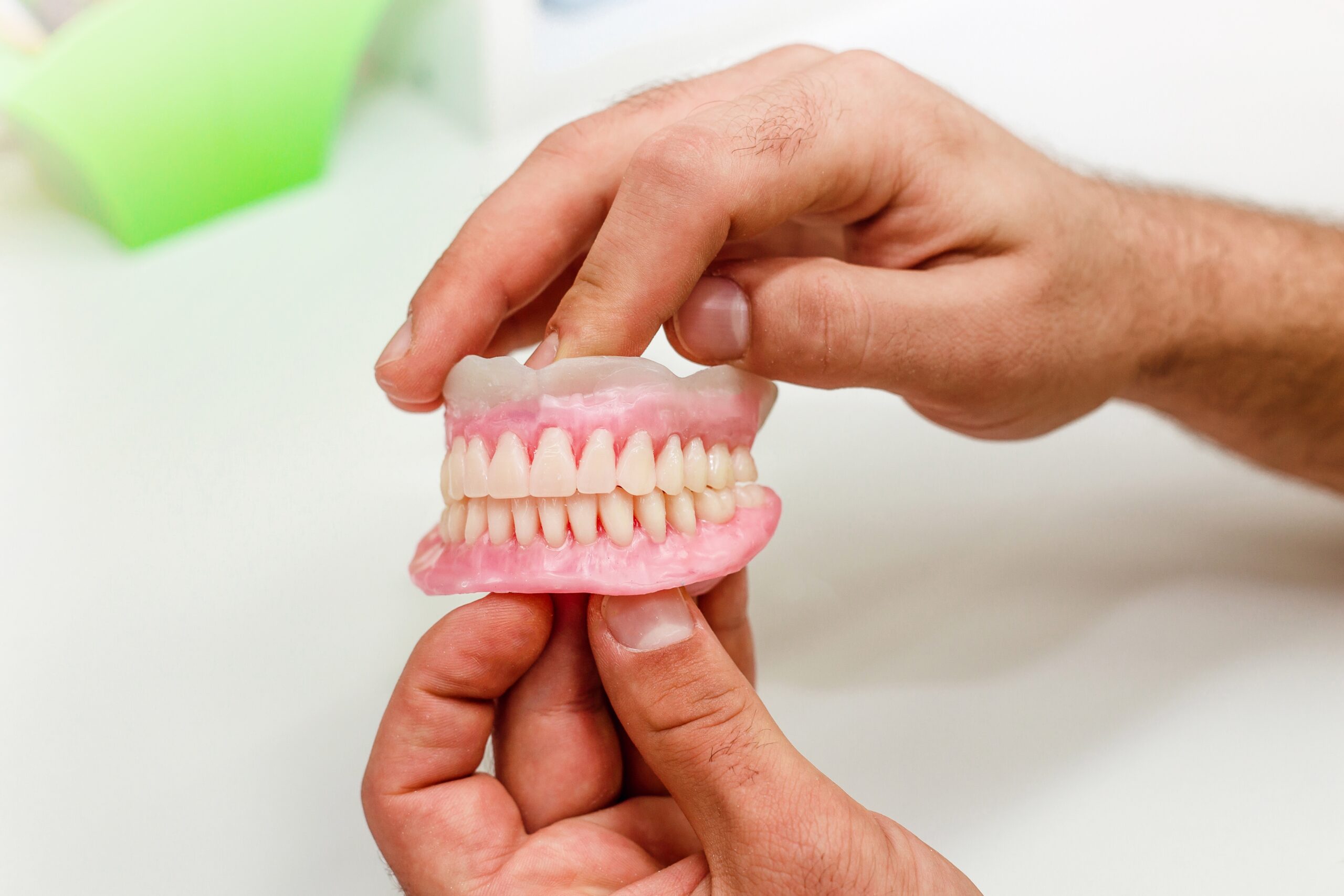
| Item | Implants | Bridge | Dentures |
|---|---|---|---|
| Biting strength | ◎ Firm bite | ○ Good | △ Varies by person |
| Appearance | ◎ Very natural | ○ Natural-looking | △ Metal clasp may show |
| Effect on neighboring teeth | ◎ No grinding of neighboring teeth needed, low burden | △ Grinds down teeth on both sides | △ Places load on supporting teeth |
| Foreign-body feeling | ◎ Almost none | ○ Mild | △ Present |
| Jawbone preservation | ◎ Preserved | △ Shrinks over time | △ Shrinks over time |
| Lifespan | ◎ 10 to 20+ years | ○ About 7 to 8 years | △ About 3 to 5 years |
| Treatment Period | △ About 3 to 6 months | ○ 2 to 3 weeks | ○ 1 to 2 months |
| Cost | △ Self-pay (¥440,000–605,000 per tooth) | ○ Insurance available | ○ Insurance available |
An implant costs more up front, but over the long term, it can end up being more economical than rebuilding a bridge or dentures again and again. Protecting your surrounding teeth is also a major benefit. The implant body embedded in the bone carries a 10-year warranty, and the crown on top carries a 5-year warranty (for both, a partial charge applies, depending on how many years have passed).
The Director’s Background in Implant Dentistry
Training at the Department of Oral Implantology, Tokyo Dental College
After graduating from Tokyo Dental College, 歯科ハミール高田88’s director, Masashi Motegi, gained experience in dentistry for medically compromised patients in the Department of Oral and Maxillofacial Surgery at Tokyo Metropolitan Hiroo Hospital, and went on to receive specialized training at the Department of Oral Implantology, Tokyo Dental College.
In the implant department, he gained experience across a wide range of cases, from basic implant placement to difficult cases, bone grafting techniques, and aesthetic implant treatment. He has handled many cases that call for advanced technique in particular, including difficult cases with insufficient bone and large cases involving several implants placed at once.
Still Treating Patients at a University Hospital
The director still works as a part-time dentist at the Department of Oral Implantology, Tokyo Dental College, continuing to treat patients there. Working at a university hospital gives him frequent exposure to the latest treatment techniques and research, and he brings that growing knowledge back into treating our patients.
With the humble view that there’s still more for a dentist to learn, he keeps building his skills day by day.
ITI (International Team for Implantology) Member
The director belongs to ITI (International Team for Implantology), an academic organization connecting implant specialists worldwide. ITI is an international body working to spread evidence-based implant treatment, centered on Straumann implants.
ITI provides regular exchanges of information on the latest research and treatment techniques, and the director takes an active part in it. He keeps up with the latest knowledge at a global level and brings it back to patients here in Takadanobaba.
Aiming to Be a Dentist Who Can Handle Anything
Director Motegi approaches patients with the goal of being the kind of dentist who can say, “I can handle all of it, right here.” Because he can treat everything from cavities, root canals, and orthodontics to cosmetic treatment, not just implants, he makes a point of looking at the overall picture to protect the health of your whole mouth.
Before and after implant treatment, you need a broad approach, such as treating cavities or periodontal disease and adjusting your bite. It’s common for a patient to get just the implant at Clinic A and cavity treatment at Clinic B. Thanks to the broad knowledge and skill of our director and the rest of our staff, you can receive consistent, high-quality care all in one place.
Features of Our Implant Treatment
1. University-Hospital-Level Expertise
Our greatest strength is the expertise the director built at the Department of Oral Implantology, Tokyo Dental College. You can receive advanced, university-hospital-level treatment close to home in Takadanobaba.
Implant treatment calls for expertise across many areas: anatomical knowledge, surgical skill, and a feel for prosthodontics, among others. Our director draws on his university hospital experience to provide safe, reliable treatment.
2. We Use Trusted Implant Systems
We use the following two implant systems, both trusted around the world.
Straumann

Developed by Switzerland’s Straumann company, this implant system has been widely used around the world for many years. It has a long history and clinical track record going back to its launch in 1974.
Features:
- Its SLA surface treatment supports rapid bonding with bone, which can shorten the healing period
- Backed by an abundance of long-term clinical research data
- Widely used around the world, so it’s easy to get maintenance even if you move elsewhere
- Allows treatment to be planned based on scientific evidence
ITI (International Team for Implantology), which the director belongs to, is an academic organization centered on Straumann implants, and it practices evidence-based treatment.
Osstem

Developed by South Korea’s Osstem company, this implant system is used in more than 70 countries worldwide.
Features:
- Excellent value for the cost
- Used across a wide range of cases
- Designed to suit the Asian bone structure common among Japanese patients
- A broad lineup that covers a wide range of cases
We recommend whichever system best fits your condition, budget, and wishes for treatment.
3. Precise Diagnosis and a Safe Treatment Plan with Dental CT
Implant treatment requires a precise examination and a thorough treatment plan. We use the latest dental CT, which lets us see the condition of your jawbone in three dimensions.
What a CT scan reveals:
- Bone thickness, height, and density
- The exact position of nerves and blood vessels
- Distance to the maxillary sinus
- The position of neighboring teeth’s roots
We draw up a safe, reliable treatment plan based on this information. In particular, determining the exact placement position so as not to injure a nerve or blood vessel is essential for the success of implant treatment.
4. Bone Grafting (GBR, Socket Lift, Sinus Lift)
Even if another clinic has told you an implant is impossible because you don’t have enough bone, bone grafting techniques may make treatment possible here.
Our director has experience with bone grafting cases at a university hospital and offers the following procedures:
GBR (Guided Bone Regeneration)
This method regenerates bone in an area that’s short on width or height, using a bone graft material together with a special membrane.
Socket Lift
This procedure is used when there isn’t enough bone height for an implant in an upper back tooth. We lift the floor of the maxillary sinus through the same opening used to place the implant and add bone graft material.
Sinus Lift
When there is a substantial shortage of bone height, this method lifts the floor of the maxillary sinus from the side of the gum to build up bone over a wider area. It’s a procedure that requires advanced skills, but one our specialized skill can handle.
5. Immediate Implant Placement to Shorten Treatment Time
We offer “immediate implant placement,” where the implant is placed at the same time as the tooth extraction.* Depending on the case
The traditional approach placed the implant only after waiting 3 to 6 months for the extraction site to heal. Immediate placement offers the following benefits:
- Shortens treatment by 3 to 6 months
- Only one surgery is needed (less physical burden)
- Keeps bone loss to a minimum
- Makes it easier to get an aesthetic result
That said, immediate placement has eligibility requirements, and we need a careful assessment of the condition of the bone and whether any infection is present. Our director determines whether immediate placement is possible through a precise workup.
If you’d like to shorten your treatment time, please be sure to ask about it at your counseling session.
6. Aesthetic Implant Treatment
For implant treatment in the front teeth, appearance, not just function, matters a great deal. Achieving a result indistinguishable from a natural tooth calls for the following elements:
- The right placement position and angle
- A beautiful gumline
- Reproducing the crown’s color, shape, and translucency
Our director has handled many aesthetic implant cases at a university hospital, and he takes on front-tooth implants with confidence.
7. Multiple Implants, Too
We also offer implant treatment when you’ve lost more than one tooth, not just a single one.
- Bone-anchored bridge: for a full-arch loss, the textbook approach places 8 implants in the upper jaw and 6 in the lower, with a bridge supporting the whole set of teeth.
- Implant-supported overdenture: dentures held in place by implants
A large case like this is more complex and calls for a high level of skill and experience, but please start by talking to us.
Advanced Technique for Difficult Cases
Cases with Insufficient Bone
Even if another clinic has told you an implant isn’t possible because you don’t have enough bone, bone grafting techniques may make treatment possible. We offer the following bone grafting procedures:
- GBR (Guided Bone Regeneration): for bone loss ranging from small to large areas
- Socket lift: lifting the floor of the maxillary sinus (a less invasive method)
- Sinus lift: lifting the floor of the maxillary sinus over a wider area
Our director has extensive experience with these procedures at a university hospital, and provides safe, reliable treatment.
If You Have a Systemic Condition
Even if you have a systemic condition such as diabetes, high blood pressure, or osteoporosis, implant treatment may still be possible as long as the condition is under control.
Our director has experience in dentistry for medically compromised patients at the Department of Oral and Maxillofacial Surgery at Tokyo Metropolitan Hiroo Hospital, and can build a safe treatment plan that takes your overall health into account. We also coordinate with your primary physician, so please start by talking to us.
Redoing an Implant That Failed at Another Clinic
We also handle re-treatment when a problem has come up with an implant placed at another clinic.
- Treating peri-implantitis
- Removing and re-placing an implant that was placed in the wrong position
- Correcting a problem with the crown
Re-treatment is more complex than the first treatment and calls for advanced skill. Our director’s expertise lets us take it on, so if this is troubling you, please talk to us. (This depends on the implant system in use and the condition of the bone)
The Implant Systems We Offer
Straumann Implants
Made by Switzerland’s Straumann, with a long history and clinical track record
Features:
- An abundance of long-term clinical data
- SLA surface treatment supports rapid bonding with bone (shortens healing time)
- Designed with easy maintenance in mind
- Used worldwide, so maintenance is available even if you move
- Backed by abundant long-term clinical data and a record of clinical use
Recommended for:
- Anyone who wants an implant valued for its quality and track record
- Anyone who places weight on long-term stability
- Front-tooth implants, where appearance matters
Price: ¥605,000 per tooth (tax included)
*An all-inclusive fee covering the first surgery, second surgery, and crown (full zirconia)
Osstem Implants
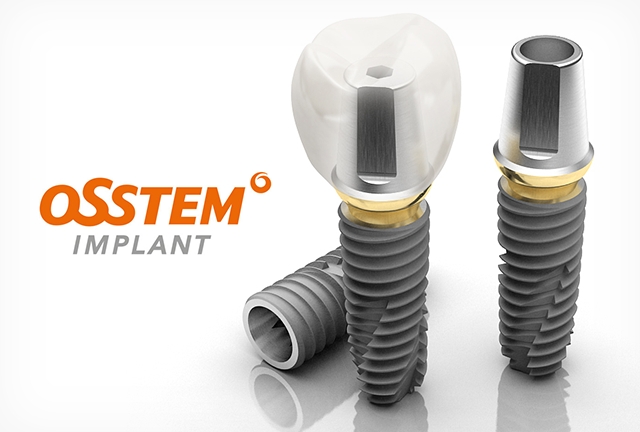
Made by South Korea’s Osstem, used in more than 70 countries worldwide
Features:
- Used across a wide range of cases
- Excellent value for the cost
- Designed to suit the Asian bone structure common among Japanese patients
- A broad lineup that covers a wide range of cases
Recommended for:
- If You Want to Keep the Cost Down
- Anyone who wants a balance of reliability and cost
- Anyone considering multiple implants
Price: ¥440,000 per tooth (tax included)
*An all-inclusive fee covering the first surgery, second surgery, and crown (full zirconia)
How Treatment Works
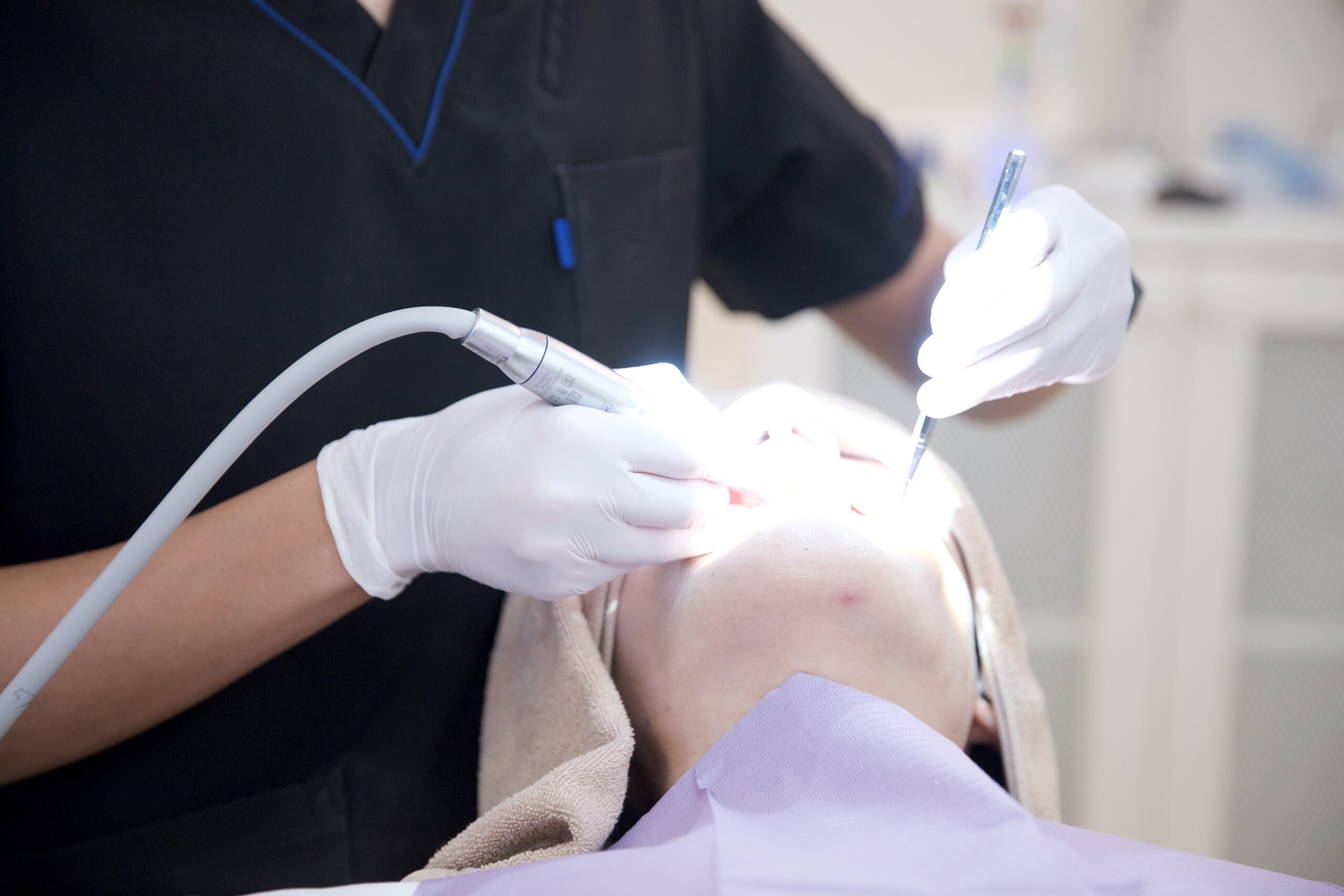
First Visit and Counseling (about 60 minutes)
*Whether the examination is covered by insurance depends on your situation. If you are only seeking implant treatment, it is self-pay.
First, please tell us in detail about the lost tooth and what’s concerning you. We’ll take the time to answer any worries or questions you have about implant treatment.
What we ask about:
- When and how you lost the tooth
- Your current concerns (such as difficulty chewing or worries about appearance)
- Your overall health (any existing conditions, medications you’re taking)
- Whether you smoke
- Your wishes for treatment and your budget
Director Motegi handles your counseling, explaining the implant treatment process, its pros and cons, the risks, and the cost in detail. We also walk you through how it compares with other treatments (a bridge or dentures), so you can choose the option you’re satisfied with.
Detailed Examination and CT Scan (about 30 minutes)
*Whether this is covered by insurance depends on your situation. If you are only seeking implant treatment, it is self-pay.
What’s examined:
- An oral exam (checking for cavities and periodontal disease)
- An X-ray
- A dental CT scan (a 3D image to see the condition of the bone in three dimensions)
- Intraoral Photography
- A bite examination
The CT scan in particular matters a great deal. It provides information about the following:
- Bone thickness, height, and density
- The position of nerves and blood vessels
- Distance to the maxillary sinus
- The position of neighboring teeth’s roots
We draw up a safe, reliable treatment plan based on this information.
If you have a cavity or periodontal disease, we treat that before starting implant treatment. Getting your whole mouth into a healthy state before beginning implant treatment is key to a higher success rate.
Diagnosis and Explaining Your Treatment Plan (about 45 minutes)
Based on the examination results, we explain your detailed treatment plan.
What we explain:
- The current condition of your bone, using the CT image
- Which implant system we’ll use (Straumann or Osstem)
- The placement position, angle, and depth
- Whether bone grafting is needed
- Whether immediate implant placement is possible
- The length of treatment (a concrete schedule)
- The details of the cost (an all-inclusive fee)
- The risks and how we address them
We recommend the treatment plan that works best, taking your wishes and budget into account too. If there’s more than one option, we explain the pros and cons of each.
We only begin treatment once you’re satisfied and on board. What we offer is only ever a recommendation. We never push treatment on you, so you don’t need to worry.
First Surgery (Placing the Implant Body)
Surgery time: about 30 minutes to 1 hour per implant. This may require more time depending on the number of implants and the position and amount of bone
After administering local anesthetic, we make an incision in the gum, drill into the jawbone, and place the implant body (the artificial tooth root).
Key points of the surgery:
- To keep you from feeling pain, we start with topical anesthetic and use an electric injector to control the injection speed for thorough numbing
- We place the implant at the exact position, angle, and depth based on the CT data
- We use a surgical guide when needed, for more precise placement
- The surgery takes place in a sterilized, clean environment
- We keep surgery time short to reduce the physical burden on you
After surgery, we prescribe a painkiller and an antibiotic. You’ll come back the next day for disinfection, so we can check how things are going.
After surgery, please:
- Rest on the day of surgery and avoid strenuous exercise or bathing
- Avoid touching the surgical site
- Take the prescribed medication as directed
- Avoid smoking (it interferes with healing)
Healing Period (Waiting for the Implant to Bond with the Bone)
Duration: about 3 to 6 months
We allow a healing period until the implant body forms a firm bond with the bone (osseointegration).
A general guide to healing time:
- Lower jaw: about 3 to 4 months
- Upper jaw: about 4 to 6 months (the upper jaw’s bone is softer, so it takes longer)
- Straumann implants: the SLA surface treatment can sometimes shorten the healing period
During this period, you can use a temporary tooth if it’s somewhere appearance matters. At regular follow-up visits, we check how the bond is progressing with an X-ray.
Second Surgery (Attaching the Abutment)
Surgery time: about 15 minutes
Once the implant has bonded with the bone, we perform the second surgery. We make a small incision in the gum and attach an abutment (a base) on top of the implant body.
This is a simple procedure with almost no pain. We wait about 2 weeks for the gum to heal.
Taking an Impression and Making the Crown
Once the gum has healed, we take a precise impression. We record the implant’s position, your bite, and the tooth’s color and shape, and the crown (the artificial tooth) is made at a dental lab.
Materials for the crown:
- Full zirconia crown: very strong and also excellent in appearance (included in the base price)
- Ceramic crown (zirconia-bonded): gives a translucency closer to a natural tooth (optional)
It takes about 1 to 2 weeks to make.
Attaching the Crown and Completing Treatment
We attach the finished crown to the abutment and fine-tune your bite. If there’s no problem, treatment is complete.
What we explain once treatment is complete:
- Why maintenance matters
- The right way to brush
- The checkup schedule (every 3 months)
- What the warranty covers
Regular Maintenance
To make an implant last, regular maintenance is essential. We recommend a checkup every 3 months.
What a checkup includes:
- Checking the condition around the implant
- An X-ray (checking the condition of the bone)
- Professional cleaning (PMTC)
- Checking your bite
- Brushing Instruction
Regular checkups let us catch and address problems like peri-implantitis early, which helps your implant last longer.
Pricing
Basic Fees
| Item | Price (Tax Included) | Details |
|---|---|---|
| CT scan, examination, and diagnosis fee | Free | Carried out during your first counseling visit |
| First Surgery (Placing the Implant Body) | ¥220,000 per tooth | Includes anesthetic and sterile draping |
| Second surgery and crown | ¥220,000 per tooth | Includes a full zirconia crown |
Price by Implant System (All-Inclusive Fee)
| Manufacturer | Total Price (tax included) | Features |
|---|---|---|
| Osstem | ¥440,000 per tooth | A trusted system with a strong share of the global market. Excellent value for the cost
|
| HIOSSEN | ¥550,000 per tooth | A brand run by Osstem. Can handle some cases, depending on bone condition, that are difficult without HIOSSEN
 |
| Straumann | ¥605,000 per tooth | A proven system made in Switzerland, backed by abundant long-term clinical data
|
*All-inclusive fee: this covers the full cost, including the first surgery, second surgery, and crown. No additional cost generally applies
*For Straumann: a dedicated kit loan period is required.
Other Material Costs (Only When Needed)
| Item | Price (Tax Included) | Details |
|---|---|---|
| Intermediate abutment (the base component) | ¥33,000 | The part connecting the implant to the crown (when appearance matters) |
| Surgical guide (for high-precision placement) | ¥55,000 | A guide for placing the implant in a more precise position |
| Blueprint model | ¥22,000 | A precision model for planning treatment |
| Provisional restoration (temporary tooth) | ¥26,400 | A temporary tooth used during treatment (for areas where appearance matters) |
Bone Grafting Options for Insufficient Bone
Even if you don’t have enough bone, bone grafting can add bone volume and make implant treatment possible.
| Procedure | Suitable For | Price (Tax Included) |
|---|---|---|
| GBR (Guided Bone Regeneration), small area | When there is a small shortage of bone width or height | ¥55,000 |
| GBR (Guided Bone Regeneration), large area | Extensive bone loss | ¥110,000 |
| Artificial membrane | A membrane for holding the bone graft material in place | ¥55,000 |
| Socket Lift | When the maxillary sinus floor is thin (for implants in back teeth) | ¥110,000 per tooth |
| Sinus Lift | When bone is very thin (lifting the maxillary sinus floor over a wide area) | ¥220,000 |
About the Warranty
Our implant treatment comes with a warranty program.
What the warranty covers:
- Implant body: 10-year warranty
- Crown: 5-year warranty
- For both, a partial charge applies during some periods, depending on how many years have passed
Conditions for the warranty to apply:
- Receiving regular maintenance with us (every 3 to 6 months)
- Keeping up proper home care, such as correct brushing
*We provide a warranty certificate. We’ll explain the details at your counseling session.
Payment Methods
- Cash, paid in full
- Credit Cards
- Dental loan (installments)
A dental loan lets you receive implant treatment while keeping your monthly payments manageable. Just ask us about it.
Aftercare and Tips for a Longer-Lasting Implant
With proper care, an implant can last 10 to 20 years or more. The following points matter for making it last.
Regular Checkups Are Essential
Making an implant last comes down, more than anything, to regular maintenance. We recommend a checkup every 3 months.
What a checkup includes:
- Checking for inflammation around the implant
- An X-ray (checking the condition of the bone)
- Professional cleaning (PMTC)
- Checking and adjusting your bite
- Brushing Instruction
Peri-implantitis (periodontal disease around an implant) causes few noticeable symptoms, so it may already have progressed by the time you notice it. Regular checkups make it possible to catch and treat it early.
Learn more about preventive dentistry and teeth cleaning
Careful Daily Brushing
An implant itself can’t decay, but peri-implantitis is something to watch for.
Points for brushing:
- Brush with care, with attention to the junction between the implant and gum
- Use dental floss or an interdental brush every day
- A toothbrush made specifically for implants is also a good idea
- Choose a toothpaste that’s low in abrasives
We take the time to show you the right way to brush around an implant. If there’s any plaque you’re missing, we can also check it with a disclosing solution and guide you through fixing it.
Try to Quit Smoking
Smoking has a major effect on an implant’s long-term success rate. The substances in cigarettes are reported to have the following effects:
- Can worsen blood flow and interfere with the implant bonding to the bone
- Said to weaken the immune system and raise the risk of infection
- Shown in many studies to raise the risk of peri-implantitis
If you are having implant treatment, we recommend quitting smoking. Do not smoke for at least 1 month before and after surgery, and permanent cessation is the goal.
We can also refer you to a smoking cessation clinic, so please let us know.
Don’t Overdo It on Hard Foods
An implant is very sturdy, but just like a natural tooth, it can break under excessive force.
Things to avoid:
- Biting ice or hard candy
- Biting something hard-shelled, such as crab shell or hard nuts
- Using your teeth to open a bottle cap or tear open a bag
Dealing with Teeth Grinding and Clenching
If you grind or clench your teeth, excessive force on the implant can lead to damage to the crown or bone loss.
What helps:
- Wearing a mouthguard (a night guard) while you sleep
- Not letting stress build up
- Making an effort to relax your jaw when you notice yourself clenching during the day
We can also make a mouthguard specifically for your implant. If you’re aware you grind or clench your teeth, please be sure to talk to us.
Learn more about teeth grinding and TMJ disorder
Managing Your Overall Health
Making an implant last also depends on managing your overall health.
Conditions that call for extra care:
- Diabetes: keep your blood sugar well controlled (an HbA1c of 7.0% or below is a general guide)
- Osteoporosis: continue treatment to strengthen your bones
- Periodontal disease: keep periodontal disease under control in your remaining natural teeth
If you have an existing condition, we manage your overall health in coordination with your primary physician.
Common Questions
Does implant treatment hurt?
Because we use anesthetic during surgery, you’ll feel almost no pain. We also take the following steps to ease the pain of the anesthetic injection itself:
- Applying topical anesthetic before injecting
- Using a fine needle
- Using an electric injector to deliver the anesthetic at a slow rate
After surgery, we prescribe a painkiller, so the pain is manageable. Many patients tell us, “It hurt less than I expected,” or “it was easier than having a tooth pulled.” In most cases, any swelling settles down within a few days too.
How long does treatment take?
It generally takes about 3 to 6 months.
How that time breaks down:
- Healing after the first surgery: 3 to 6 months (waiting for the implant to bond with the bone)
- Gum healing after the second surgery: 2 weeks
- Making the crown: 1 to 2 weeks
When treatment can take longer:
- If bone grafting is needed: an additional 3 to 6 months
- If cavity or periodontal disease treatment is needed first: however long that treatment takes
When treatment can be shorter:
- If immediate implant placement is possible: 3 to 6 months shorter
- With a Straumann implant: the SLA surface treatment can sometimes shorten healing time
We’ll explain your specific treatment timeline in detail at your counseling session.
How long does an implant last?
With proper maintenance, it’s not unusual for an implant to last 10 to 20 years or more.
Long-term success rate data:
- Straumann implants: a 10-year survival rate of 97% or higher
- Osstem implants: a 10-year survival rate of 95% or higher
Keys to making it last:
- Getting a checkup every 3 months
- Careful Daily Brushing
- Not smoking
- Addressing teeth grinding (wearing a mouthguard)
- Managing Your Overall Health
Among our patients who keep up with their regular checkups, implants stay in very good condition.
Can anyone get implant treatment?
Most people can, but the following situations call for careful judgment.
When treatment is difficult:
- Severe diabetes (HbA1c of 8.0% or above)
- Long-term use of a bisphosphonate medication for osteoporosis treatment
- Severe periodontal disease that hasn’t been treated
- A smoking habit you’re unable to quit
- A child who is still growing (whose bone growth isn’t complete yet)
Treatment is often still possible when:
- Diabetes is under control (HbA1c of 7.0% or below)
- High blood pressure is controlled with medication
- Osteoporosis (judged case by case depending on the medication)
- You’re older (age itself isn’t an issue if the bone is in good condition)
We determine whether treatment is possible through counseling and a detailed examination. Even if another clinic has turned you down, please come talk to us.
Is This Covered by Insurance?
Implant treatment (the surgery and the crown) is generally self-pay and not covered by insurance.
That said, the initial examination and CT scan may be covered by insurance depending on the overall condition of your mouth, such as whether other teeth have a condition that needs treatment. We’ll explain the details at your counseling session.
Payment methods:
- Cash, paid in full
- Credit Cards
- Dental loan (installments)
A dental loan lets you receive implant treatment while keeping your monthly payments manageable. If cost is a worry, just ask us.
Which is better, an implant or dentures?
Each has its own pros and cons.
An implant is a good fit if you:
- Want to get back a tooth with a firm bite
- Want a natural look
- Don’t want to grind down or burden the teeth around it
- Want something comfortable, with no foreign-body feeling
- Want something that lasts for the long term
Dentures are a good fit if you:
- Want to keep costs down (insurance may apply)
- Want to avoid surgery
- Want a shorter treatment time
- Have a systemic condition that makes an implant difficult
We take your condition, wishes, and budget all into account and recommend the treatment that fits best. We explain the details at your counseling session, so you can make your choice once you’re satisfied with the explanation.
I’ve been told I don’t have enough bone. Is an implant still possible?
Even if you don’t have enough bone, bone grafting techniques can sometimes make treatment possible.
We offer the following bone grafting procedures:
- GBR (Guided Bone Regeneration): increases bone width and height
- Socket lift: lifts the maxillary sinus floor to increase bone height
- Sinus lift: bone grafting over a wide area
Our director has handled many bone grafting cases at the Department of Oral Implantology, Tokyo Dental College, and can take on difficult cases too. Even if another clinic has turned you down for not having enough bone, please come talk to us.
Will a front-tooth implant look natural?
Yes, a result indistinguishable from a natural tooth is possible.
For implant treatment in the front teeth, the following elements matter:
- The right placement position and angle
- A beautiful gumline
- Reproducing the crown’s color, shape, and translucency
Our director has handled many aesthetic implant cases at a university hospital, and he takes on front-tooth implants with confidence.
To maximize the aesthetic result, we also take the following steps:
- Checking the shape with a provisional restoration (a temporary tooth)
- Using a ceramic crown (for a translucency close to a natural tooth)
- Gum grafting (to shape an attractive gumline)
I’m having a problem with an implant placed at another clinic. Can you take a look?
Yes, we also handle re-treatment of an implant placed at another clinic. (This depends on the implant system and the condition of the bone)
We can handle problems such as:
- Treating peri-implantitis
- Removing and re-placing an implant that was placed in the wrong position
- Correcting a problem with the crown
- An implant that has broken or fallen out
Re-treatment is more complex than the first treatment and calls for advanced skill. Our director’s expertise lets us take it on, so if this is troubling you, please talk to us.
We’ll start with a CT scan and an examination to understand the current situation, then recommend the treatment that fits best.
Thinking About Implant Treatment in Takadanobaba?
At 歯科ハミール高田88, our director, who built his skills at the Department of Oral Implantology, Tokyo Dental College, provides safe, reliable implant treatment backed by specialized knowledge and dependable skill.
Our Strengths
- Treatment by a director trained at the Department of Oral Implantology, Tokyo Dental College
- Continuing to treat patients at a university hospital (staying current with the latest techniques)
- ITI (International Team for Implantology) member
- Use of the trusted Straumann and Osstem implant systems
- Precise diagnosis with dental CT
- Bone grafting available (GBR, socket lift, sinus lift)
- Shorter treatment time with immediate implant placement
- Aesthetic implant treatment available too
An Easy Clinic to Visit
- A 1-minute walk from Takadanobaba Station
- Open on weekends too (weekends, 10:00 AM–6:00 PM)
- Open until 7:00 PM on weekdays
- Appointment-based, with little waiting
- A calm, cafe-like clinic interior
- Able to help patients from overseas (Chinese and English)
If you’re troubled by a lost tooth, considering implant treatment, or have been turned down elsewhere for not having enough bone, start by coming in for a counseling visit.
Talk to us about restoring a firm bite.
First counseling visit free. The CT scan is either covered by insurance or self-pay, depending on your condition.
Start by talking to us.
- Phone booking: 03-6709-6866
- Online booking: Accepted 24 hours a day
- LINE booking: Add us as a friend for easy booking
歯科ハミール高田88
4F Takadanobaba K.I Building, 1-27-6 Takadanobaba, Shinjuku-ku, Tokyo 169-0075
1-minute walk from the Waseda Exit of Takadanobaba Station (Yamanote Line, Tokyo Metro Tozai Line, Seibu Shinjuku Line)