


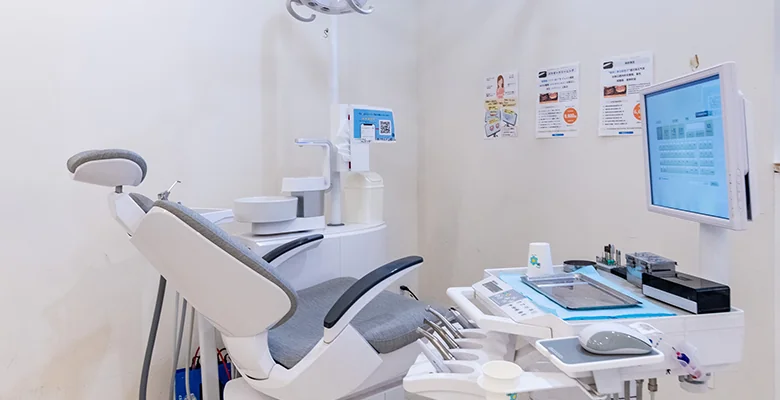
Pediatric Dentistry

歯科ハミール高田88 Director
Masashi Motegi
Hello, I’m Masashi Motegi, the director.
Orthodontic treatment for children has a major advantage that adult orthodontics doesn’t: it can use the jaw’s own growth. Starting at the right time can raise the chances of avoiding extraction later on, widening the range of options for “preserving teeth.”
That said, the best time to start varies from child to child, depending on their tooth alignment. At 歯科ハミール高田88, we assess whether now is the right time to begin or whether to keep watching, and explain until parents understand and agree.
I’m glad to be able to watch over the growth of children here in my hometown of Takadanobaba. If you’re concerned about your child’s tooth alignment, please come talk to us sooner rather than later.
Protecting Your Child’s Dental Health

Your child’s dental health affects their future bite and tooth alignment, and even their overall health. Baby teeth are more prone to cavities than adult teeth, and cavities progress faster in them too. Regular dental checkups and daily self-care at home are both important for protecting your child’s precious teeth from decay.
Leaving a cavity in a baby tooth untreated can keep the adult tooth underneath from emerging in the correct position, or make the adult tooth itself more cavity-prone. Losing a baby tooth early to decay can also leave too little space for the adult tooth, which can lead to crooked teeth.
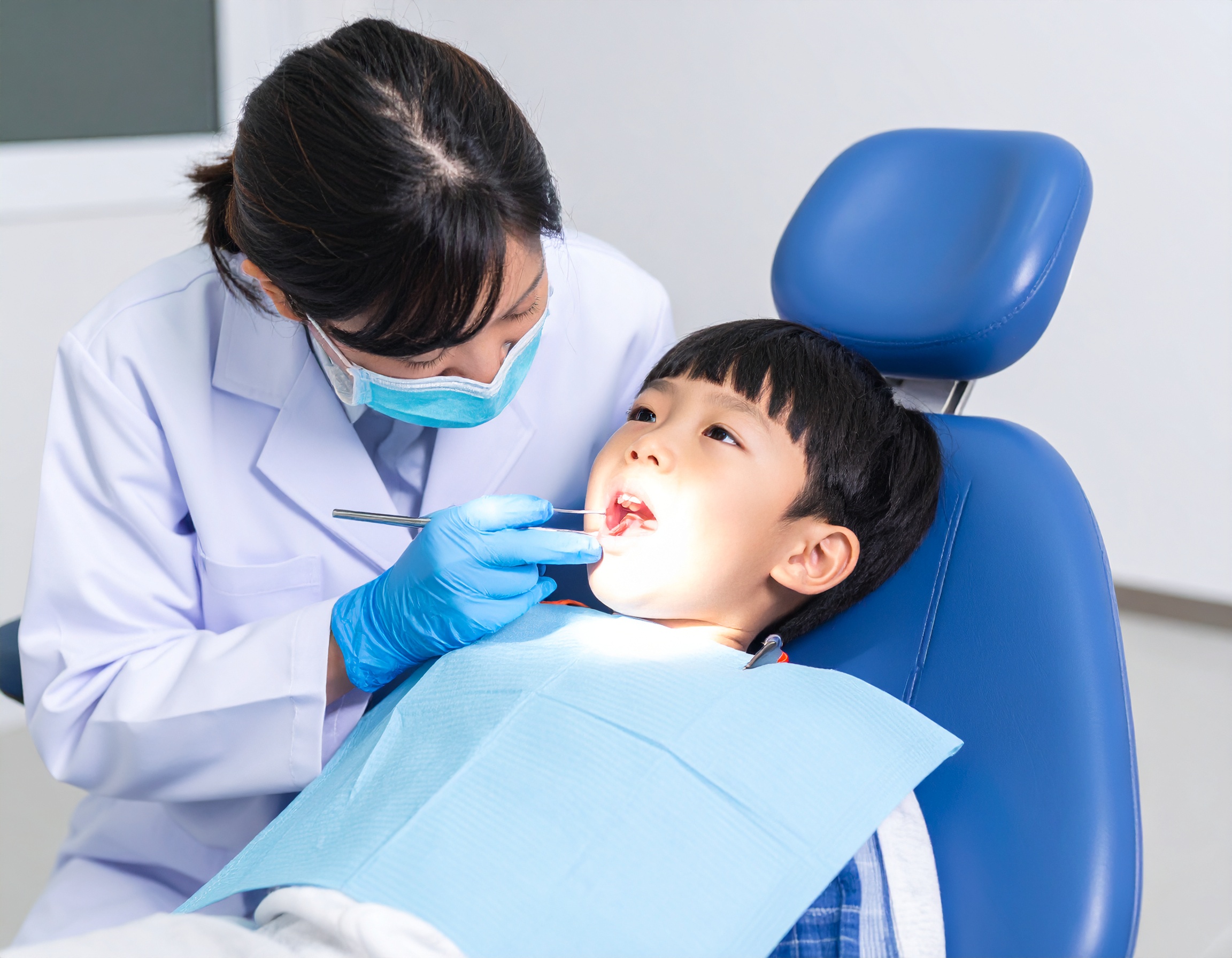
We take a gentle, careful approach so children don’t become afraid of the dentist. We don’t force treatment; we move at each child’s own pace. A parent is welcome to come into the treatment room too.
To get your child used to the dental clinic, start regular visits before anything hurts. Getting used to the clinic through checkups and cleanings also can make future treatment easier.
Treatments We Provide in Pediatric Dentistry

Cavity Treatment
We treat cavities in children’s teeth. Because cavities in baby teeth can have rapid progression, catching and treating them early matters. A small cavity needs less drilling, which means less for your child to go through.
During treatment, we show your child the instruments we’ll use and explain in simple terms what we’re doing, so they don’t feel scared. We take care with pain, using topical anesthetic and an electric syringe to keep treatment as comfortable as possible.
Learn more about cavity treatment
Cavity Prevention
We help prevent cavities with fluoride application and sealants. Fluoride strengthens the teeth and makes them more resistant to decay. A sealant is a resin filling placed in the grooves of the back teeth to help prevent cavities there.
Regular fluoride application can lower the risk of cavities. We recommend a checkup every three months.
Brushing Instruction
We teach both children and parents the right way to brush, showing effective techniques suited to your child’s age and how their teeth are coming in. We also share tips for follow-up brushing that you can use in your daily care at home.
Pediatric Orthodontics
We address problems with your child’s bite and tooth alignment. Starting orthodontic treatment during the growth years can guide the jaw’s growth in the right direction, raising the chance of avoiding extraction later on. We also offer Invisalign First, which keeps the burden on your child light.
Learn more about pediatric orthodontics
Treating Dental Injuries
We also treat injuries from a fall or similar accident. If a tooth is chipped, loose, or knocked out, please come in as soon as you can. The right treatment raises the chances of saving the tooth.
Your Child’s Teeth by Age: What to Expect and Watch For
Ages 0–2 (Baby Teeth Start Coming In)
Baby teeth usually start coming in around 6 months of age. Once the first tooth appears, it’s time for your child’s first dental visit. Bring them in for a checkup and learn how to prevent cavities.
At this age, watch out for “baby bottle tooth decay.” Letting your child fall asleep with milk or juice still in their mouth raises the risk of cavities. After a drink, wipe their teeth with gauze.
Ages 3–5 (All Baby Teeth Have Come In)
By around age 3, all the baby teeth have usually come in. This is also an age when cavities are common. Cut back on sweets and juice, and make brushing after meals a habit.
By this age, children can brush their own teeth, but they still miss a lot, so a parent needs to do follow-up brushing, with particular attention to brushing before bed.
Ages 6–12 (Baby and Adult Teeth Side by Side)
Adult teeth usually start coming in around age 6, beginning with the first molars. Because these come in at the very back, they’re hard to brush and prone to cavities. A sealant works well for preventing decay here.
The front teeth are also replaced with adult teeth around this age. Bite and alignment problems are often spotted during this period, so catching them early through regular checkups matters. This is also a good age to start pediatric orthodontics.
Children can brush on their own by this age, but they still miss spots, so we recommend keeping up follow-up brushing through the early years of elementary school.
Features of Our Pediatric Dentistry

A Gentle Approach
We take a gentle, careful approach so children don’t become afraid of the dentist. Rather than starting treatment right away, we begin by letting your child get used to the treatment room. Showing them the instruments and explaining in simple terms what we’re doing helps ease their worries.
We don’t force treatment; we move at each child’s own pace. We support children who cry or feel scared too, helping them adjust over time, without rushing.
A Parent Can Join Your Child in the Treatment Room
For a young child, a parent is welcome to come into the treatment room with them. Having a parent close by helps a child feel safe during treatment.
Treatment That’s Mindful of Pain
We use topical anesthetic and an electric syringe to help children feel less pain. Reducing the pain of treatment is part of how we ease a child’s anxiety about it.
We also try, wherever we can, to treat in a way that’s gentle on the teeth. For a small cavity, we can sometimes drill less.
A Focus on Cavity Prevention
Rather than just treating cavities once they appear, we focus on preventing them. Fluoride application, sealants and brushing guidance all help protect your child’s precious teeth from decay.
At a checkup, we don’t just look for cavities; we also check your child’s bite and tooth alignment. Finding a problem early lets us start treatment at the right time.
Our Approach to Cavity Prevention
Fluoride Application
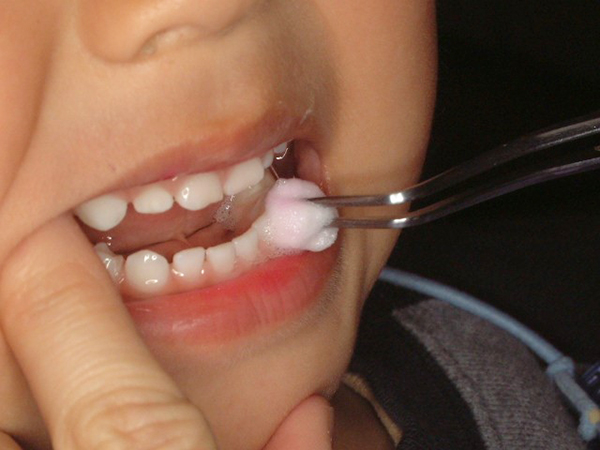
Fluoride strengthens the surface of the teeth and makes them more resistant to decay. Regular fluoride application can lower the risk of cavities.
Fluoride application is quick and painless. We recommend starting once the teeth begin coming in and continuing at regular intervals. We suggest fluoride application every three months.
Sealants
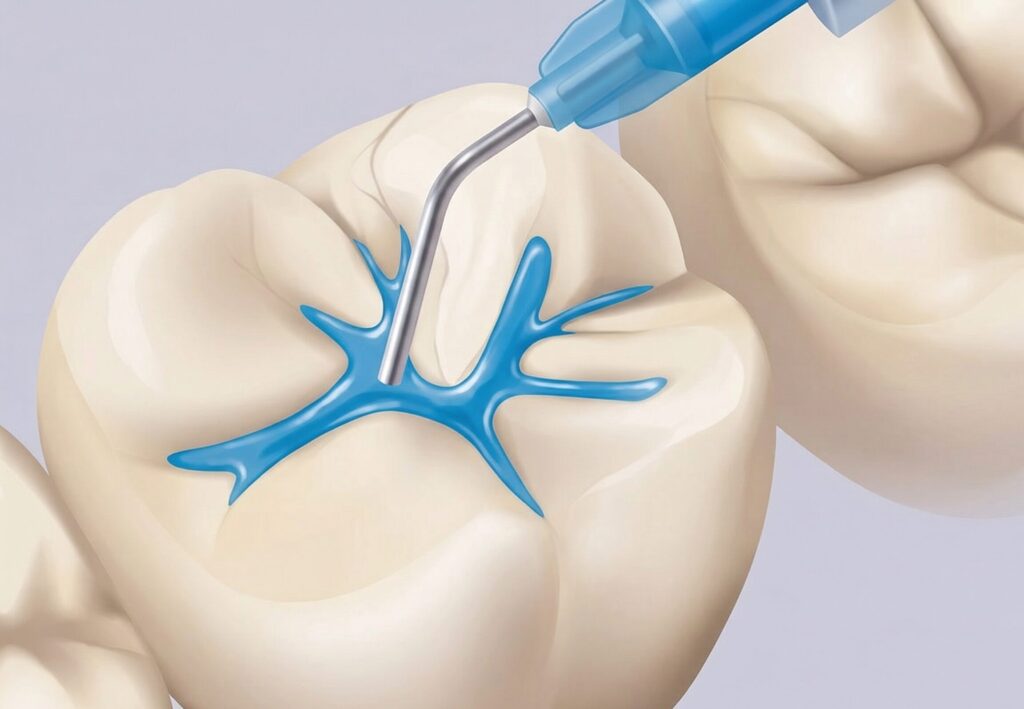
The grooves in the back teeth have a deep, complex shape that is hard for a toothbrush to reach, making them prone to cavities. A sealant fills these grooves with resin to help prevent decay.
Sealants are useful for six-year molars (the first molars). A tooth that has just emerged is prone to cavities, so we recommend applying a sealant early.
Brushing Instruction
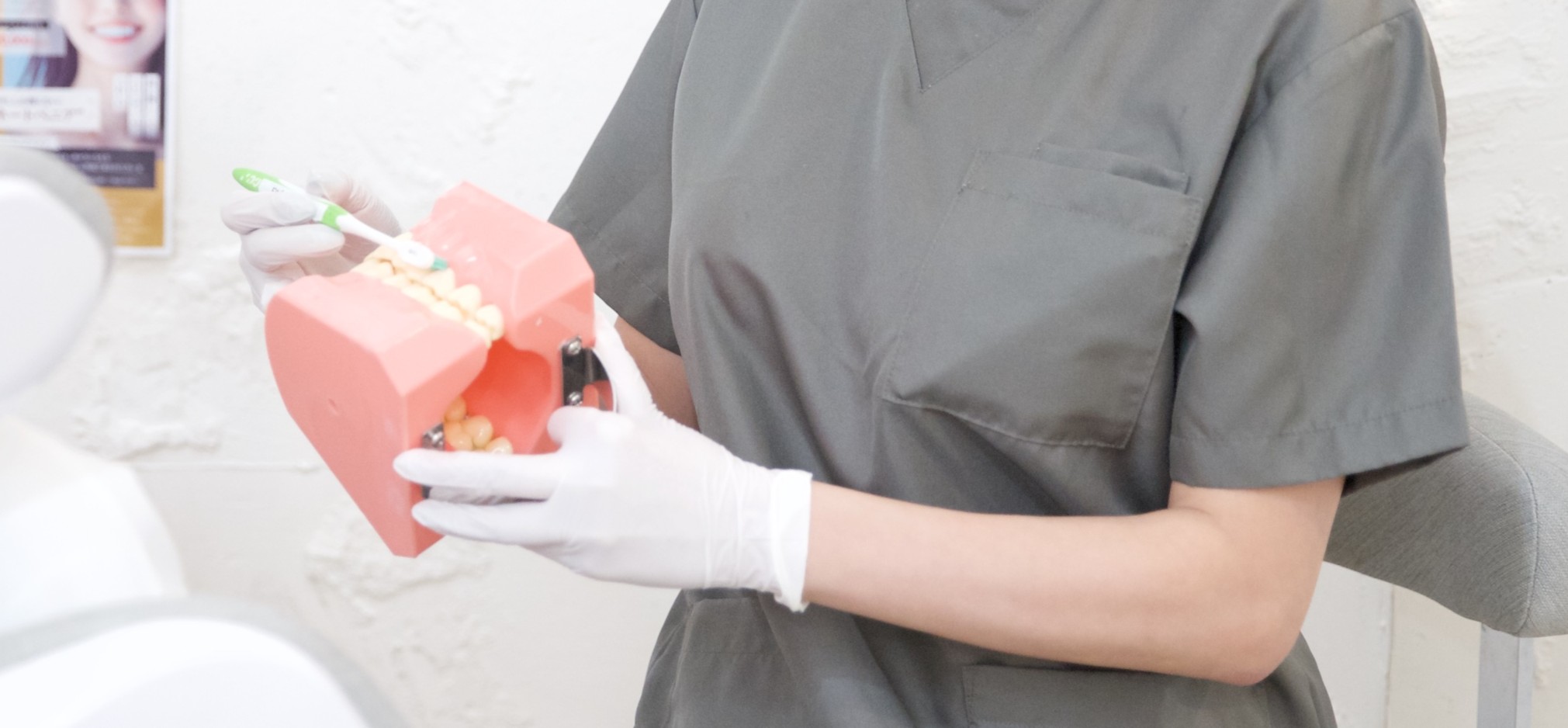
We show effective brushing techniques suited to your child’s age and how their teeth are coming in, with specific tips on choosing a toothbrush, using toothpaste, and follow-up brushing. Better self-care at home means better cavity prevention.
Dietary Guidance
Diet matters for cavity prevention too. We offer advice on a cavity-resistant diet, such as cutting back on sweets and juice and avoiding constant snacking.
How Treatment Works
Medical History & Counseling
Please tell us about your child’s teeth and any concerns you have. We’ll also ask about their brushing habits and diet. If your child is afraid of the dentist, please let us know that too.
Examination & Diagnosis
We check inside the mouth for cavities and look at the alignment of the teeth. We take X-rays where needed, but we won’t force this if your child is afraid. We explain the results in a way that’s easy to understand.
Treatment or Preventive Care
If there is a cavity, we treat it. A small one can sometimes be finished in a single visit. If there isn’t one, we carry out preventive care such as fluoride application or a sealant. We also provide brushing guidance and share tips for care at home.
Regular Maintenance
We recommend a checkup every three months to help prevent cavities. Regular checkups mean we can catch cavities early, which is easier on your child too. We also keep up fluoride application and brushing guidance on a regular basis, to maintain a mouth that resists cavities.
Cavity Prevention You Can Do at Home
Good Brushing Habits
Make brushing after every meal a habit. Brushing before bed is an important part of this routine: saliva flow drops during sleep, which lets cavity-causing bacteria become more active. Taking the time to brush before bed can lower the risk of cavities.
Follow-up brushing is still needed through the early years of elementary school. After your child brushes on their own, check for any spots they missed.
Set Fixed Snack Times
Constant snacking keeps the mouth in an acidic state, making cavities more likely. Set a fixed snack time, and make brushing afterward a habit. We recommend avoiding eating or drinking before bed; if you do, brush after each meal or drink.
Choose Cavity-Resistant Snacks
Sweets and juice are a cause of cavities. For snacks, choose cavity-resistant foods such as fruit, cheese, or small dried fish. Water or tea are good choices for drinks.
Keep Up with Checkups
A checkup every three months lets us catch cavities early. A small cavity is also easier to treat, which is easier on your child too.
At a checkup, we also provide fluoride application and brushing guidance, which makes cavity prevention more effective.
Common Questions
At what age should my child start seeing a dentist?
Once a tooth comes in, it’s time for your child’s first dental visit. We recommend a checkup around 6 months to 1 year of age. Getting your child used to the dentist early can make future treatment easier.
My child is afraid of the dentist. What should I do?
Forcing them to go will only make them dislike it more. The key is to start regular checkups before anything hurts, so they can get used to the clinic. We go at each child’s own pace and provide care with attention to their comfort.
Does a cavity in a baby tooth need treatment?
Yes. Cavities in baby teeth need treatment. Baby teeth decay faster than adult teeth, and leaving it untreated can cause pain or affect the adult tooth underneath. Losing a baby tooth early to decay can also cause the adult teeth to come in misaligned.
How often should fluoride be applied?
We recommend fluoride application every three months. Regular application can lower the risk of cavities. It’s a quick, painless procedure.
Until what age does my child need follow-up brushing?
We recommend keeping up follow-up brushing through the early years of elementary school. Even once a child can brush on their own, they still miss a lot. The back teeth and the spaces between teeth are hard to reach, so a parent should check them.
An adult tooth is coming in behind a baby tooth. Is that okay?
This is common with the lower front teeth. If the baby tooth is loose, it will often fall out on its own and the adult tooth will move into the right position on its own. However, if the baby tooth is still has a firm attachment, it may need to be extracted. We recommend having it checked.
Considering Pediatric Dentistry in Takadanobaba
At 歯科ハミール高田88, we provide gentle pediatric dental care for children. From cavity treatment to prevention and pediatric orthodontics, we cover a wide range of care to protect your child’s precious dental health.
We’re a 1-minute walk from Takadanobaba Station and open on weekends too, making us easy to visit for both parents and children. We take a gentle, careful approach so children don’t become afraid of the dentist. A parent can join their child in the treatment room too.
If anything about your child’s teeth is on your mind, come talk to us. Let’s work together through regular checkups to protect your child’s dental health.