


Mouth Ulcer Treatment

歯科ハミール高田88 Director
Masashi Motegi
Hello, I’m Masashi Motegi, the director.
Mouth ulcers often get written off as something that will heal on its own. But beyond making eating and talking painful, an ulcer that won’t heal can sometimes be a sign of something else going on. If yours hasn’t healed after 2 weeks or more, we recommend coming in to have it checked.
Drawing on my training in oral surgery at a general hospital, I closely examine and diagnose conditions of the oral mucosa too. At 歯科ハミール高田88, we explain your symptoms and any medication in plain language, and coordinate with the right medical institution whenever it’s needed.
If you’re troubled by mouth ulcers that keep coming back, talk to us here in Takadanobaba.
Painful Mouth Ulcers: See Us Early for a Faster Recovery
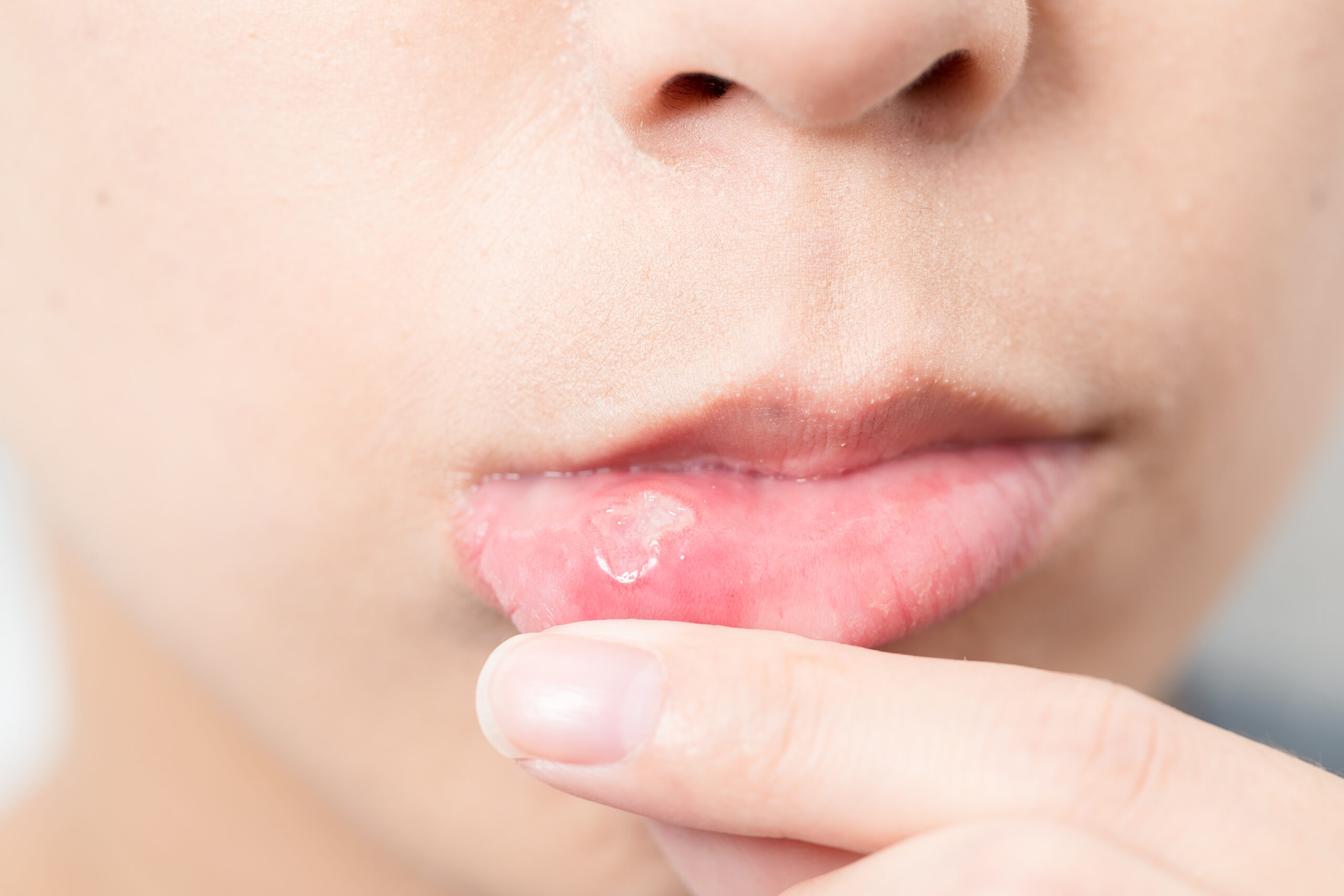
Many people have had a painful, whitish ulcer appear in their mouth that stings when they eat or makes talking uncomfortable. Mouth ulcers are something anyone can get, but the pain can be severe enough to get in the way of daily life.
Most mouth ulcers heal on their own in about a week to 10 days. But one that won’t heal, or that keeps coming back, may point to something else going on. The right treatment can also ease the pain and speed up healing.
We identify the cause of your mouth ulcer and provide the right treatment, prescribing an ointment or mouth rinse to ease the pain and help it heal sooner. If you have an ulcer that hasn’t healed in 2 weeks or more, or one that keeps recurring, please come talk to us.
Types and Causes of Mouth Ulcers
Aphthous Ulcers
This is the most common type of mouth ulcer, marked by a whitish ulcer with red, swollen tissue around it. It’s round or oval, about 2 to 10 millimeters across, and causes sharp pain on contact. It can appear in many places, including the inside of the cheek, the inner lip, the tongue, and the gums.
The cause remains unclear, but it tends to appear when your immune system is weakened by fatigue, stress, lack of sleep, or poor nutrition. It can also show up after you bite the inside of your cheek, or when braces or dentures rub against and injure the mucosa.
Catarrhal Stomatitis
This type of mouth ulcer is caused by physical irritation or a bacterial infection. Triggers include dentures or braces rubbing against the mucosa, burns from something hot, or biting the inside of the cheek. A cavity, periodontal disease, or a crown with a poor fit can also be behind it.
The mucosa becomes red, swollen, and raw-looking. Unlike an aphthous ulcer, the edges are often blurry, and it can spread over a wider area. It improves once the underlying irritation is removed.
Viral Stomatitis
This type is caused by a viral infection, such as the herpes virus or a coxsackievirus. Herpetic stomatitis produces small blisters on and around the lips, which turn into painful ulcers once they break. It can come with fever and fatigue as well.
Hand, foot, and mouth disease is another viral illness that comes with mouth ulcers. It causes a rash in the mouth and also on the palms and soles. It’s most common in children, but adults can catch it too.
Candidal Stomatitis (Oral Thrush)
This type of stomatitis is caused by an overgrowth of Candida, a type of fungus. It’s more likely to occur when your immune system is weakened, during long-term antibiotic use, or while using steroids. Wearing dentures for long stretches can also let Candida grow underneath them.
It appears as white, moss-like patches in the mouth that bleed if you try to scrape them off. You may also notice a stinging pain or a change in taste. It needs to be treated with an antifungal medication.
Mouth Ulcers from Other Causes
A shortage of nutrients such as B vitamins, iron, or zinc can also cause mouth ulcers. A lack of vitamin B2 in particular makes them more likely. Smoking raises the risk as well.
In rare cases, mouth ulcers can be a symptom of a systemic condition such as Behçet’s disease or systemic lupus erythematosus.
Who’s More Prone to Mouth Ulcers

Built-Up Fatigue or Stress
When fatigue or stress builds up, your immune system weakens and mouth ulcers become more likely. Watch out during busy stretches at work, before exams, or when your surroundings change. Lack of sleep weakens your immune system too, so getting enough rest matters.
An Unbalanced Diet
An unbalanced diet also makes mouth ulcers more likely. A shortage of B vitamins, iron, or zinc in particular makes it hard to keep the mucosa healthy. If you eat out often, are dieting, or are a picky eater, pay attention to getting a good balance of nutrients.
Wearing Braces or Dentures
If you wear braces or dentures, the appliance can rub against and injure the mucosa. Mouth ulcers are more likely while you’re still getting used to a new appliance, or once dentures stop fitting well. If an appliance is rubbing and causing pain, have it adjusted sooner rather than later.
A Habit of Biting the Inside of the Mouth
If you have a habit of biting the inside of your mouth, repeated injury to the same spot can cause an ulcer. Crowded or crooked teeth, or a sharp tooth, can also make it easier to injure the mucosa.
Smoking and a Dry Mouth
Smokers face a higher risk of mouth ulcers, because cigarette smoke irritates the mucosa and weakens the immune system. A dry mouth also makes ulcers more likely. Saliva has an antibacterial effect, so less saliva makes bacterial growth easier.
Features of Our Mouth Ulcer Treatment
Treatment Matched to the Cause
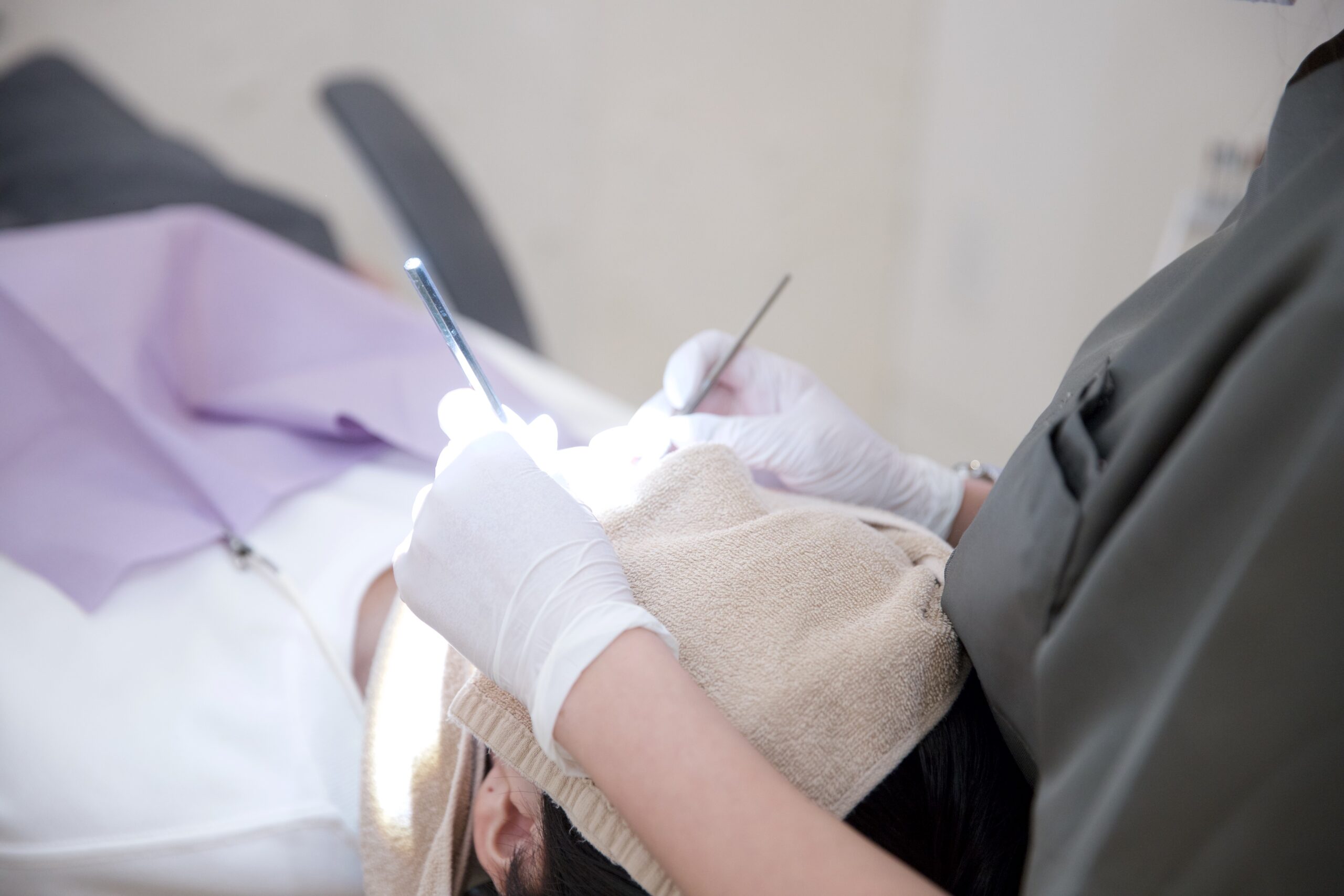
There are several types of mouth ulcers, and the right treatment depends on the cause. We first identify which type you have, then treat it accordingly: an ointment or mouth rinse for an aphthous ulcer, an antiviral medication for viral stomatitis, and an antifungal medication for candidal stomatitis.
If braces or dentures are the cause, we adjust the appliance. If a cavity or periodontal disease is behind it, we treat that first. Removing the underlying cause prevents the ulcer from coming back.
Advice for Prevention
For patients whose mouth ulcers keep coming back, we also offer guidance on lifestyle habits and nutrition. Getting enough sleep, eating a balanced diet, and managing stress all matter for keeping your immune system strong. Keeping your mouth clean matters too. Careful brushing and regular checkups help prevent mouth ulcers.
How to Prevent Mouth Ulcers
Get Enough Sleep and Manage Stress
Get enough sleep and avoid letting fatigue build up. A lack of sleep weakens your immune system. Make time for rest during busy periods. Finding a good outlet for stress matters too; moderate exercise or time spent on a hobby can help ease it.
Eat a Balanced Diet
Aim for a well-balanced diet, and make a point of eating foods rich in B vitamins, such as pork, liver, eggs, natto, spinach, and bananas. Iron and zinc also matter for keeping your mucosa healthy.
Careful Oral Care
Brush with care to keep your mouth clean. Brush after each meal and before bed to keep bacteria from multiplying. That said, scrubbing hard with a stiff brush can injure the mucosa, so use a soft-bristled brush and use light pressure.
Be Careful Not to Bite the Inside of Your Mouth
Take your time with each mouthful. You’re more likely to bite the inside of your mouth when you’re tired or in a hurry. If you have crowded teeth or a sharp tooth, we recommend having it adjusted at a dental clinic.
Proper Care of Braces and Dentures
If you wear braces or dentures and an appliance causes pain from rubbing, don’t just put up with it. Have it adjusted sooner rather than later. Keep dentures clean every day and take them out before bed. Regular checks of their fit are important.
Quit Smoking and Avoid Irritants
If you smoke, consider quitting. Smoking raises the risk of mouth ulcers, and also of periodontal disease and oral cancer. Cut back on alcohol too. Harsh, irritating foods can also injure the mucosa, so go easy on them.
How Treatment Works
Medical History & Counseling
Please tell us about the ulcer, such as where it is, its size, how much it hurts, and how long you’ve had it. If you keep getting ulcers, we’ll also ask how often they appear and about your daily habits.
Diagnosis
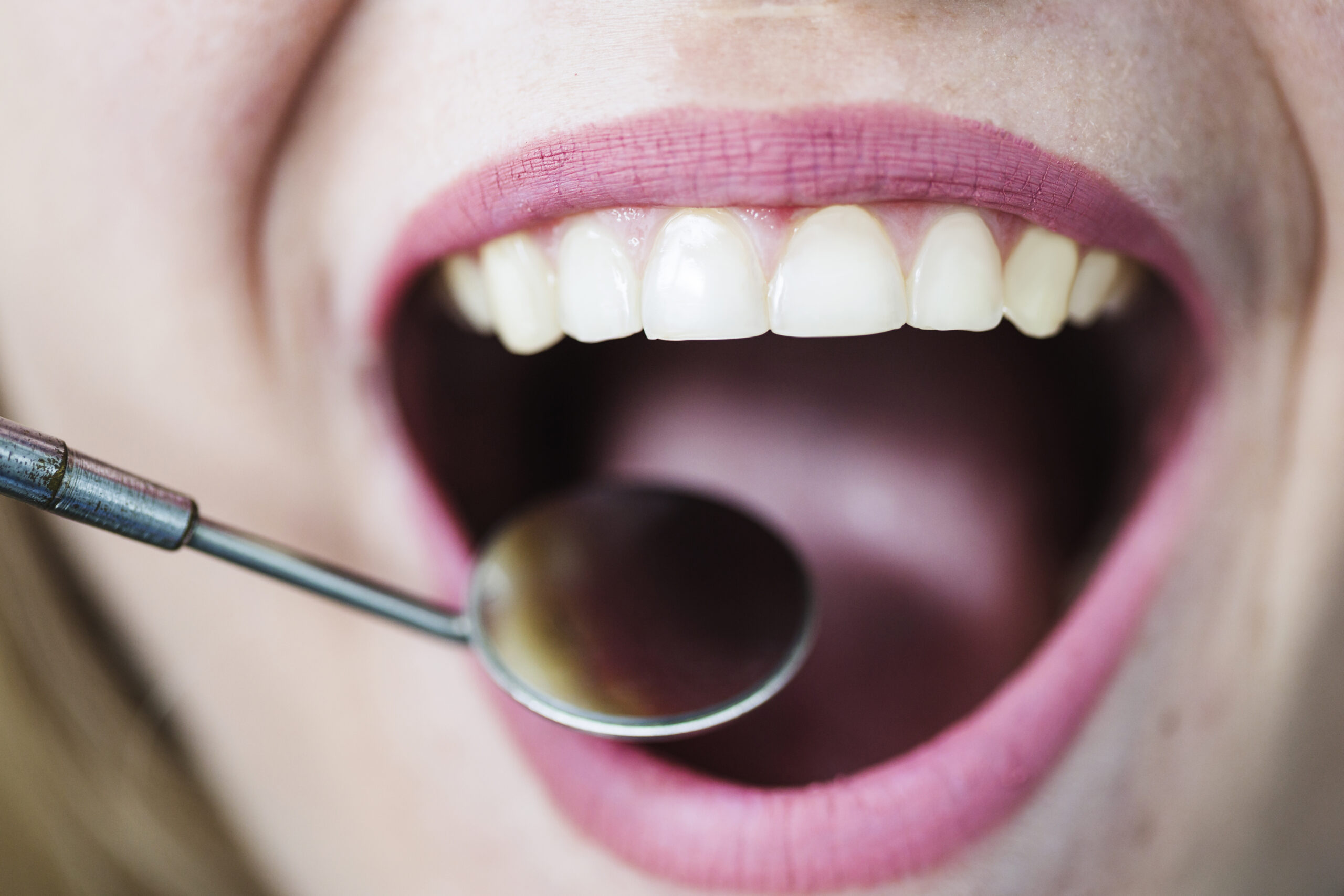
We examine the ulcer closely to determine its type. Aphthous, catarrhal, and viral ulcers can usually be identified by appearance and symptoms. If it hasn’t healed after 2 weeks or more, or if there’s a chance it could be malignant, we may recommend a biopsy.
Explaining Your Treatment
We explain the type of ulcer you have and the right way to treat it in plain language, and recommend treatment suited to your symptoms, such as an ointment, laser treatment, or an antiviral or antifungal medication. We also explain how long treatment will take and what it will cost, and only begin once you’re satisfied.
Treatment Procedure
For an aphthous ulcer, we prescribe an ointment made for mouth ulcers. Applied directly to the sore, it eases the pain and speeds healing. If you’d like laser treatment, we treat the ulcer with a laser. It takes a few minutes and needs no anesthetic. For viral stomatitis or candidal stomatitis, we prescribe the medication suited to each.
Follow-Up and Lifestyle Guidance
After treatment, we keep an eye on how the ulcer progresses. It usually improves in a few days to about a week. If it’s slow to heal or gets worse, please come back in. For patients whose ulcers keep recurring, we also offer lifestyle advice for prevention.
Regular Maintenance
Keeping your mouth clean matters for preventing mouth ulcers. Regular checkups and teeth cleaning help prevent cavities and periodontal disease, creating an environment where ulcers are less likely to form.
Common Questions
Will a mouth ulcer heal if I just leave it alone?
Most mouth ulcers heal on their own in about a week to 10 days. That said, if the pain is severe or it’s keeping you from eating, getting treatment can bring relief faster. And if it hasn’t healed after 2 weeks or more, please be sure to come in, since that can point to something else going on.
Is there anything I should watch out for with food when I have a mouth ulcer?
Avoid harsh, irritating foods. Anything spicy, sour, salty, or hot will sting the ulcer and make the pain worse. Choose soft, gentle foods instead: rice porridge, udon, tofu, and yogurt are all good options.
Do over-the-counter medications work?
Over-the-counter ointments for mouth ulcers can help too. Ones containing a steroid reduce inflammation and ease the pain. That said, they do not work on viral or candidal ulcers and can even make them worse in some cases, so if yours is not healing, please see a dental clinic.
Are mouth ulcers contagious?
Aphthous ulcers aren’t contagious. But viral ones, such as herpetic stomatitis or hand, foot, and mouth disease, can spread to others. Avoid sharing towels or cups, and wash your hands well.
How can you tell a mouth ulcer apart from cancer?
Most mouth ulcers heal within 1 to 2 weeks, while cancer does not. Cancer also tends to present as a hard lump with blurry edges. If a sore hasn’t healed after 2 weeks or more, keeps growing, or is prone to bleeding, please seek a dental examination without delay.
My child can’t eat because of a mouth ulcer. What should I do?
If the pain is severe, offer cold, soft, gentle foods: ice cream, gelatin, or chilled udon are all good options. A dental clinic can also prescribe a pain-relieving ointment.
Thinking About Mouth Ulcer Treatment in Takadanobaba?
At 歯科ハミール高田88, we identify the cause of your mouth ulcer and aim for a fast recovery with the right treatment. An ointment or laser treatment eases the pain so you can get back to comfortable daily life. If you have an ulcer that hasn’t healed in 2 weeks or more, or one that keeps recurring, please come talk to us.
We’re a 1-minute walk from Takadanobaba Station and open on weekends too, so we’re easy to visit between work or school. Don’t put up with a painful mouth ulcer. See us early and get it treated sooner.