


Root Canal Treatment

歯科ハミール高田88 Director
Masashi Motegi
Hello, I’m Masashi Motegi, the director.
When a cavity has reached the nerve, root canal treatment is, in a sense, the last line of defense for keeping your own tooth instead of having it pulled. Because it’s a delicate procedure inside the root of the tooth, where you can’t see, we focus on careful examination and diagnosis, and on precise treatment.
I’ve built my skills through training in oral surgery at a general hospital, among other experience, and I keep learning new techniques at study groups to this day. Root canal treatment is at the core of my treatment philosophy of preserving nerves and natural teeth wherever possible.
We’ll walk you through any worries about how many visits it will take or what it will cost before we begin. Even if another clinic has told you a tooth needs to come out, please talk to us here in Takadanobaba first.
What Is Root Canal Treatment?
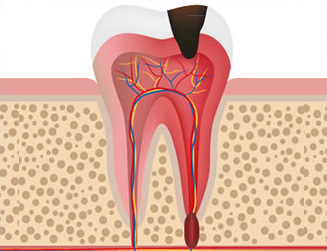
Root canal treatment cleans out the canal that holds the tooth’s nerve and removes the bacterial infection inside it. It becomes necessary when a cavity has progressed deep enough to reach the nerve, or when pus has built up at the tip of the root of a tooth treated in the past.
Inside a tooth is a hollow space called the pulp, which carries the nerve and blood vessels. When this becomes infected, it causes severe pain and swelling. Root canal treatment removes the infected pulp, cleans and disinfects the inside of the canal, and then fills it with medication, with the aim of saving the tooth instead of extracting it.
Because the root canal has a narrow, complex shape, it calls for precise technique and careful handling. With the right treatment, you can avoid extraction and keep using the tooth for a long time.
When Root Canal Treatment Is Needed
When a Cavity Reaches the Nerve
As a cavity progresses, bacteria reach the nerve. At this stage, a strong, throbbing pain can continue even when you’re not doing anything, and touching something hot or cold can trigger a sharp jolt of pain. The pain can also worsen at night, causing major disruption to daily life. Once you have symptoms like these, root canal treatment to remove the nerve becomes necessary.
Learn more about cavity treatment
When Pus Builds Up at the Root Tip
Even in a tooth that’s already had nerve treatment, bacteria left behind at the root tip can cause pus to build up over time. This condition is called apical periodontitis. Symptoms include pain when chewing, swollen gums, or a general sense that something’s off.
Left untreated, the pus pocket can grow, and in some cases cause swelling across the whole face or erode the jawbone. In cases like this, the root canal needs to be reopened and cleaned out again.
A Cracked Tooth or Injury
A strong impact to a tooth, from a fall or an accident for example, can crack or fracture it. If the nerve is exposed or damaged in the process, root canal treatment may also be needed.
We handle dental injuries like this to the extent we’re able to.
Features of Our Root Canal Treatment
A Clean Treatment Field with a Rubber Dam
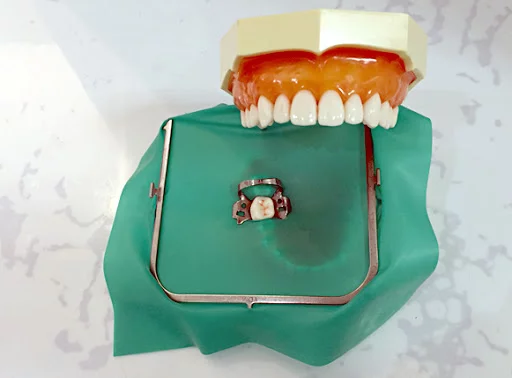
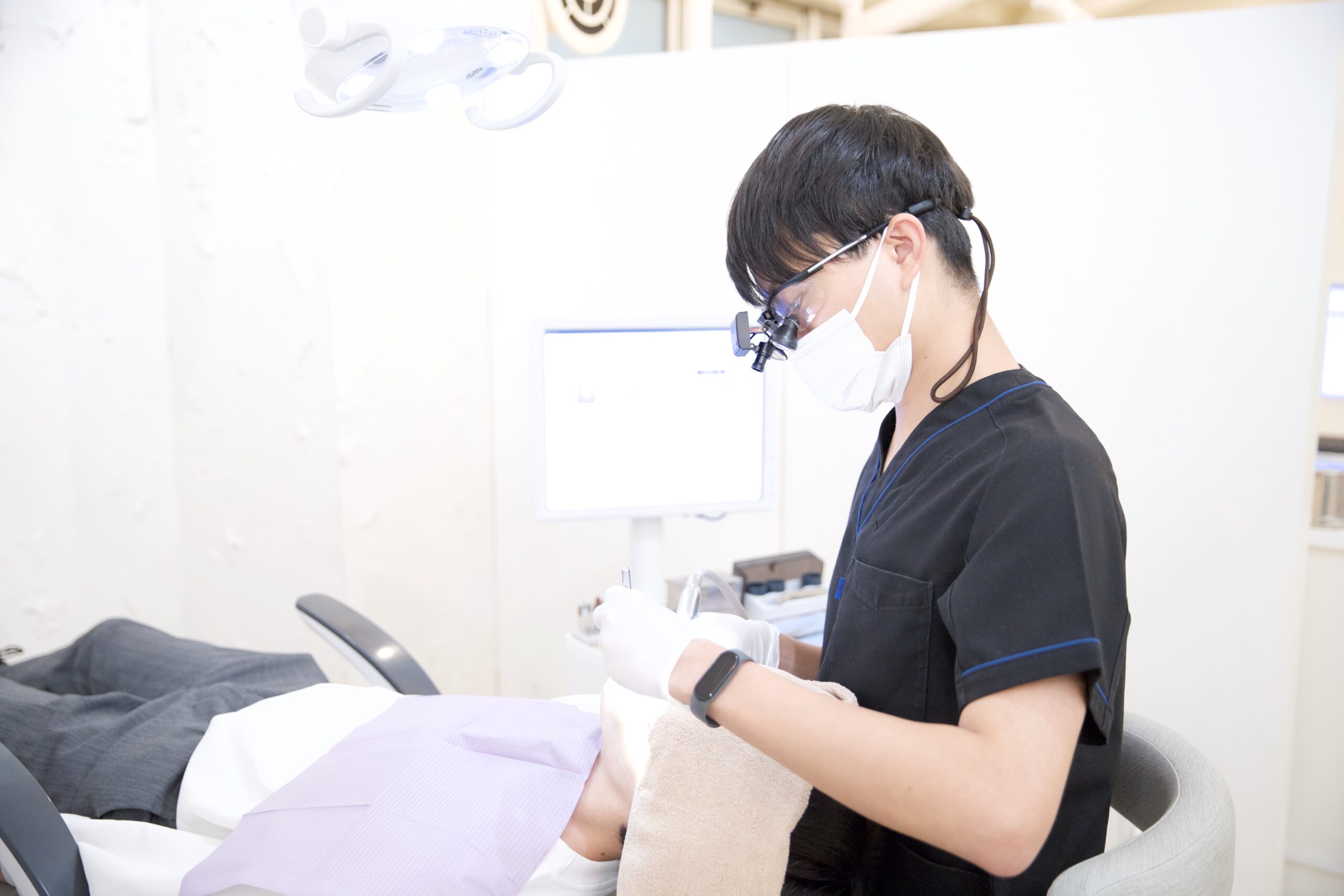
Depending on the case, we use a rubber dam for root canal treatment. A rubber dam is a rubber sheet that isolates just the tooth being treated, keeping saliva and bacteria out.
A sterile canal is essential to the success of root canal treatment. Saliva carries plenty of bacteria, and if it gets into the canal during treatment, it can cause reinfection. Using a rubber dam lets us work in a clean environment, which raises the treatment’s success rate.
Careful Cleaning and Disinfection
We clean inside the canal with specialized instruments, removing infected tissue and bacteria. Because canals are often curved or branching, with a complex shape, we take the time to work through this with care.
After cleaning, we use a disinfectant to reduce the bacteria inside the canal. We repeat this process several times to get the canal clean before filling it with the final medication.
Apical Surgery Available
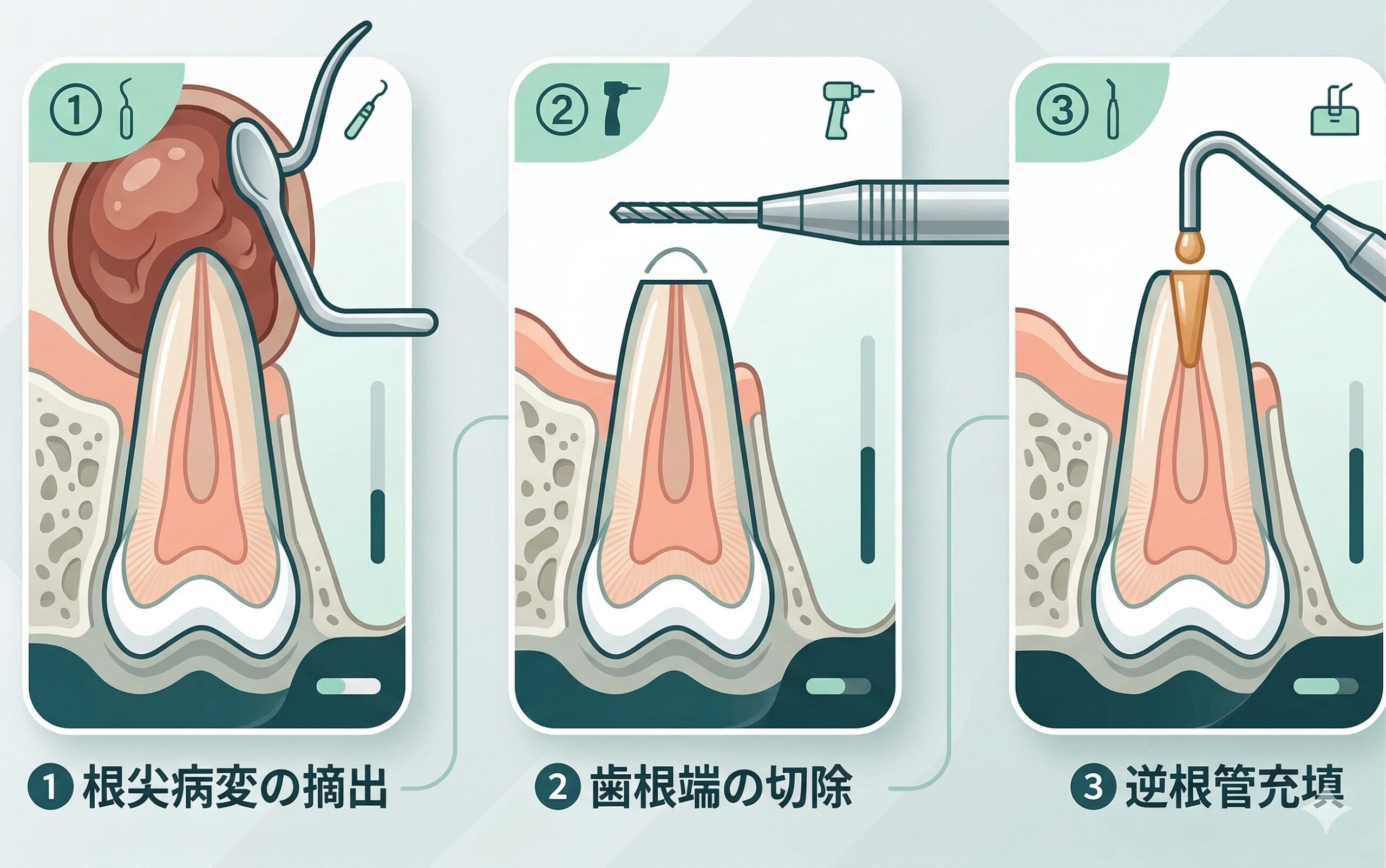
When standard root canal treatment isn’t resolving the problem, or the lesion at the root tip is large, we may perform a surgical procedure called apical surgery (apicoectomy). This involves cutting away the tip of the root directly to remove the lesion.
We perform apical surgery depending on the case. If a more specialized procedure is needed, we’ll refer you to the right medical institution. Please start by talking to us.
The Root Canal Treatment Process
Medical History & Counseling
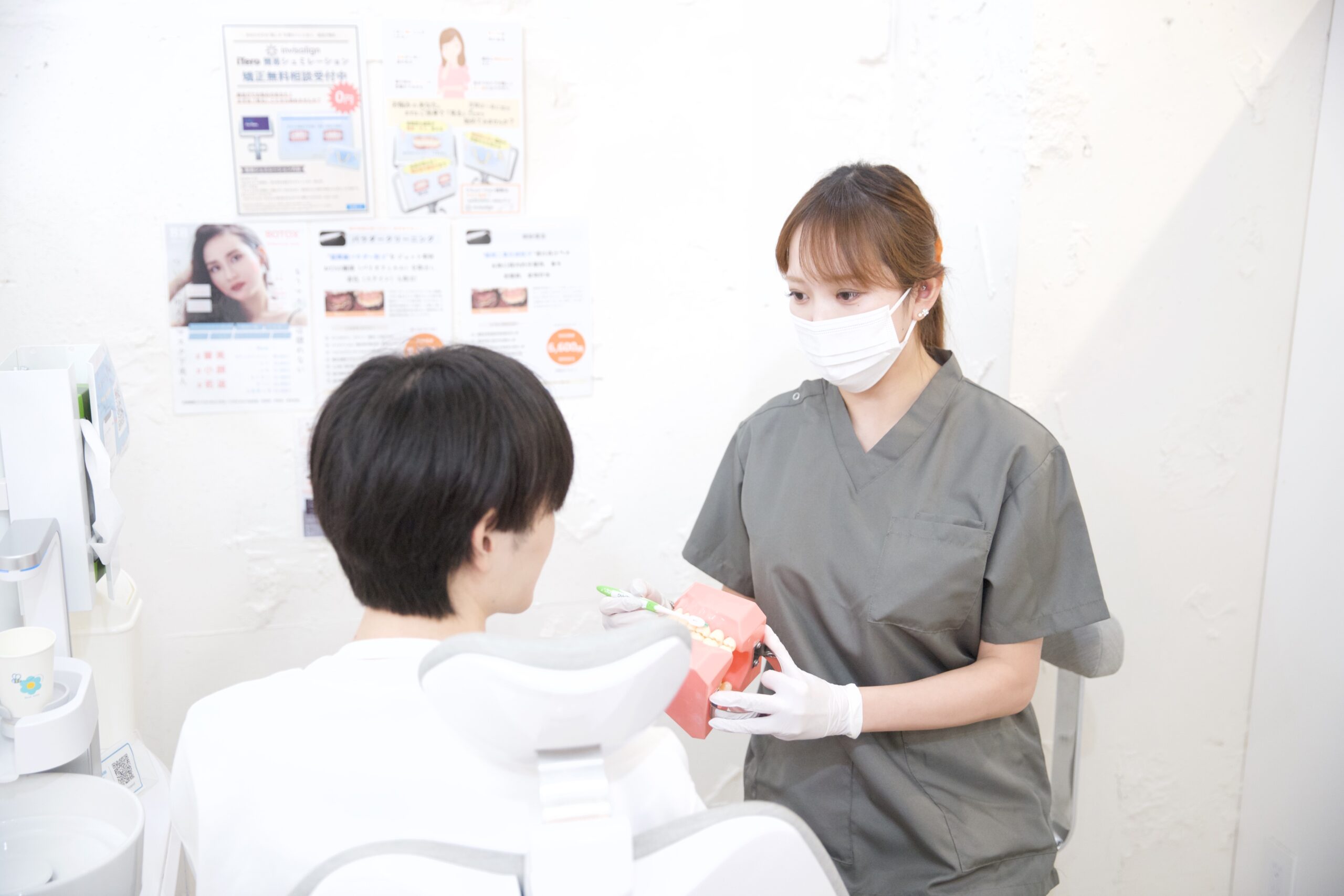
Please tell us in detail about your pain and any treatment you’ve had so far. Since root canal treatment takes several visits, we’ll also work with you on scheduling, and explain the cost and timeline in detail before we begin.
Examination & Diagnosis
We take X-rays and a CT scan to closely examine the shape of the root and the size of the lesion. Because canals are often curved or branching with a complex shape, viewing them in three dimensions lets us build an accurate treatment plan.
Explaining Your Treatment
Based on the examination results, we explain why root canal treatment is needed and how it will proceed. Please ask us anything you’re concerned about, such as the number of visits or how we manage pain. We provide detailed explanations so you can feel at ease about your treatment.
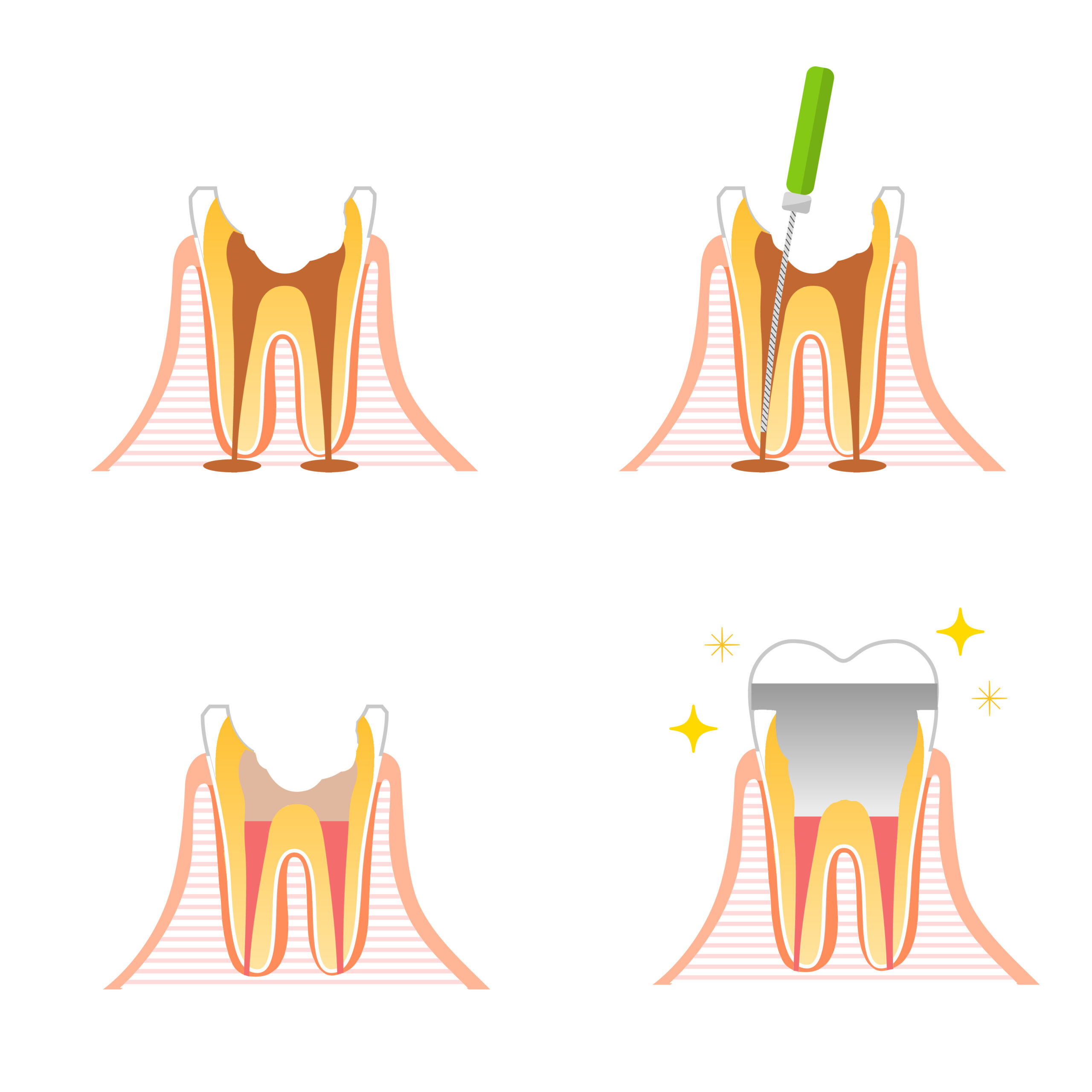
Removing the Nerve and Cleaning the Canal
After administering anesthetic, we remove the infected nerve and clean inside the canal with care, using specialized instruments. Depending on the case, we use a rubber dam to keep saliva out, which makes the treatment more reliable. We repeat this process several times to get the canal clean.
Filling the Canal and Restoring the Tooth
Once the inside of the canal is clean, we fill it with the final medication and seal it to keep bacteria out. After that, we build up a core and restore the tooth with a crown, bringing back its original shape and function. You can choose anything from an insurance-covered metal crown to a self-pay ceramic one, depending on what you’d prefer.
Regular Maintenance
A tooth that’s had root canal treatment tends to become more brittle, so regular checks matter. We take an X-ray at your checkup every 3 months to watch for any sign of recurrence. We’ll give you solid support so you can keep using the tooth for a long time.
Aftercare and Maintenance
Right After Treatment
For a few days after root canal treatment, you may feel some discomfort or mild pain when chewing. This is a temporary inflammatory reaction to the treatment and subsides over time in most cases. If the pain is significant, we can prescribe a painkiller, so please tell us rather than toughing it out.
Also, while the tooth has a temporary filling, biting down on something hard can dislodge it. Please be careful not to bite hard on the tooth being treated, and contact us right away if the temporary filling comes out.
Why Regular Checkups Matter
Regular checkups still matter even after root canal treatment is finished. We take X-rays to check the condition at the root tip and watch for any sign of recurrence.
A tooth that’s had its nerve removed tends to become more brittle, so we check its condition at regular maintenance visits to keep the crown from cracking or coming off. We recommend a checkup every 3 months, and our dental hygienists also provide professional cleaning.
Common Questions
Does root canal treatment hurt?
Because we use anesthetic, there’s almost no pain during the procedure itself. We use a topical numbing gel and an electric injector to keep even the pain of the injection to a minimum. You may feel some discomfort or pain afterward, but it’s the kind a painkiller can manage.
How long does treatment take?
This varies depending on your symptoms and the condition of the canal, but it generally takes about 3 to 5 visits. It can take more visits if the lesion at the root tip is large, or if it’s a repeat treatment. We’ll explain the treatment plan at your first visit and arrange a visit schedule that fits yours.
What happens to a tooth once the nerve is removed?
Once a tooth’s nerve is removed, its supply of nutrients and moisture is cut off, so it becomes more brittle than a healthy tooth. That’s why reinforcing it properly with a crown matters. With the right treatment and maintenance, you can keep using it for a long time.
Can root canal treatment fail to resolve the problem?
In some cases, such as when the canal’s shape is complex or the root itself has a crack, standard root canal treatment is difficult. In those cases, we may consider a surgical option such as apical surgery, or extraction may be unavoidable. Our treatment focuses on saving the tooth wherever possible, but depending on the situation, we may suggest other options too.
Thinking About Root Canal Treatment in Takadanobaba?
At 歯科ハミール高田88, we provide precise root canal treatment aimed at saving your tooth wherever possible. If you’re in pain, or another clinic has recommended extraction, please talk to us first. We’re a 1-minute walk from Takadanobaba Station and open on weekends too, and we can also see you for sudden pain. We propose a treatment plan that fits each patient’s situation.