


Mucocele Treatment

歯科ハミール高田88 Director
Masashi Motegi
Hello, I’m Masashi Motegi, the director.
A mucocele is a blister-like swelling that forms in places such as the inside of the lip or under the tongue, and it’s common for it to keep coming back even after it bursts. Many people just watch and wait because “it doesn’t hurt,” but a lasting improvement needs a proper diagnosis and treatment.
I trained in oral surgery at a general hospital, and I treat this kind of growth on the oral mucosa here at our clinic as well. Before we start, we explain in detail what the procedure involves and how it will go.
If a swelling on the inside of your lip is on your mind, don’t just leave it. Come talk to us at our clinic here in Takadanobaba.
What Is a Mucocele?
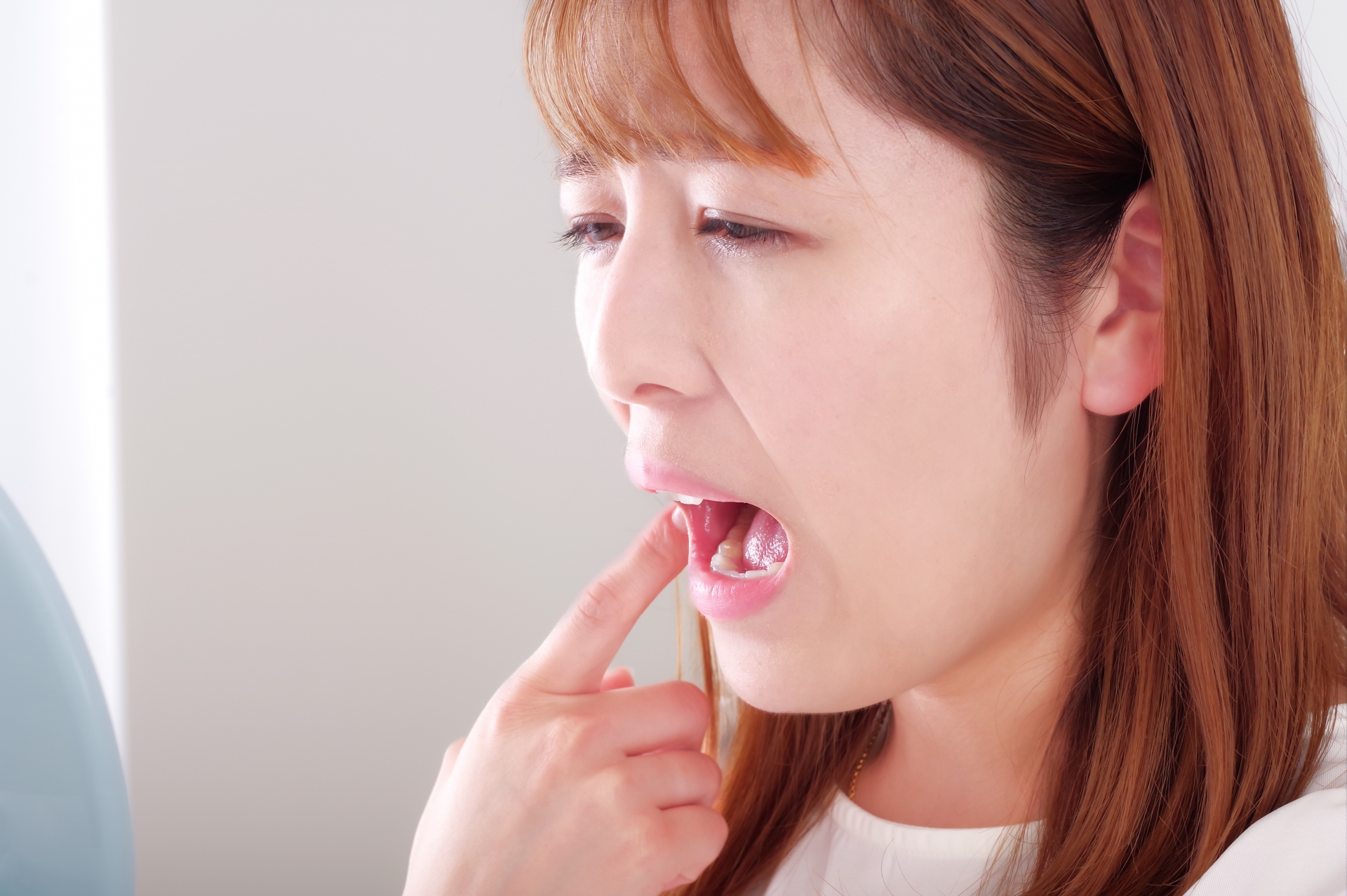
A mucocele is a blister-like growth that forms inside the mouth, filled with saliva. In medical terms it’s also called a mucous retention cyst. It develops when the duct that carries saliva from a salivary gland is injured or blocked, causing saliva to leak into the surrounding tissue and collect in a pocket.
It most often forms on the inside of the lower lip, accounting for roughly 80% of cases. It can also appear inside the cheek, under the tongue, on the upper lip, or on the floor of the mouth. It ranges from a few millimeters to a few centimeters across, and is clear or pale blue in color. The surface is smooth, and it feels soft and squishy to the touch.
There are two types of mucocele. One is an extravasation mucocele, where the duct of a salivary gland is damaged and saliva leaks out. This type is common on the lower lip and is most often seen in people in their teens to thirties. The other is a mucous retention cyst, where the duct becomes blocked and saliva builds up inside it. This type is more common in older people and tends to form under the tongue or on the floor of the mouth.
A mucocele is a benign growth and does not turn into cancer. That said, if left alone it can grow larger over time or keep coming back, and if it bursts from being bitten it can become a painful ulcer, so we recommend coming in sooner rather than later if it concerns you.
Causes of a Mucocele
Biting the Lip or Cheek
The most common cause is an accidental bite to the lip or cheek, for example while eating or talking, which damages the duct of a salivary gland. Once the duct is torn, saliva leaks into the surrounding tissue and collects there, forming a mucocele. Because the lower lip is prone to bite injuries, it’s the site where a mucocele most often forms.
A Habit of Biting the Lip
If you have a habit of biting your lip, a mucocele can keep forming again and again. People sometimes do this without realizing it when stressed or tense, so it’s important to be aware of it.
Misaligned Teeth
Misaligned teeth also make it easier to bite your lip or cheek. Issues such as protruding teeth, an underbite, or a sharp tooth edge can make it easier to injure the mucous membrane. A denture or orthodontic appliance pressing against the tissue can also damage the duct of a salivary gland.
Salivary Gland Ducts Blocked by Age
The mucous retention cyst type, which is more common in older people, is caused by the salivary gland duct becoming more prone to blockage with age. Changes in the composition of saliva, or the formation of a salivary stone inside the duct, can slow the flow of saliva, letting it build up inside the duct and form a cyst.
Injury
A fall or a blow during sports can damage a salivary gland duct. The lip can also be bitten by accident during dental treatment.
Features of Our Mucocele Treatment
A Precise Examination and Diagnosis
Growths that resemble a mucocele include a fibroma, a lipoma and a hemangioma, and in rare cases a growth can be malignant, so an accurate diagnosis matters. We look closely at the color, size, firmness and location of the growth, and run imaging tests where needed.
A mucocele is typically clear or pale blue and feels soft and squishy, while a fibroma is a firm, whitish lump and a hemangioma is reddish-purple. In most cases we can tell from how it looks, but if it’s unclear we may also do a biopsy. (In that case, we may refer you to a hospital dental department or another facility that has the equipment for this testing.)
Treatment Matched to Your Case
We choose the treatment based on the size and location of the mucocele and whether it keeps coming back. If it’s small and hasn’t recurred, we may keep watch on it. If it has grown larger or keeps recurring, we recommend removal.
Removal can mean taking out just the cyst, or removing it together with the salivary gland that’s causing it, and we choose whichever approach suits your case. Removing the responsible salivary gland along with the cyst helps prevent it from coming back.
Treatment That’s Mindful of Pain
Mucocele removal is done under local anesthetic. Before the injection, we apply a topical anesthetic and then inject the anesthetic at a slow rate with an electric syringe, keeping the pain of the injection to a minimum. We only begin the procedure once the full effect of the anesthetic is confirmed, so you’ll feel almost no pain during it. (Depending on size or circumstances, we may refer you to a hospital dental department.)
The procedure itself takes about 15 to 30 minutes, and you can go home the same day. We prescribe a painkiller afterward, so if the pain bothers you, take it rather than putting up with it.
How We Treat a Mucocele
Watching and Waiting
If a mucocele is small, painless, and not interfering with daily life, we may keep watch on it. If it bursts on its own and the fluid drains out, it will shrink for a while. However, because saliva often builds up again and it grows back, we consider removal if it keeps recurring.
Removing the Cyst
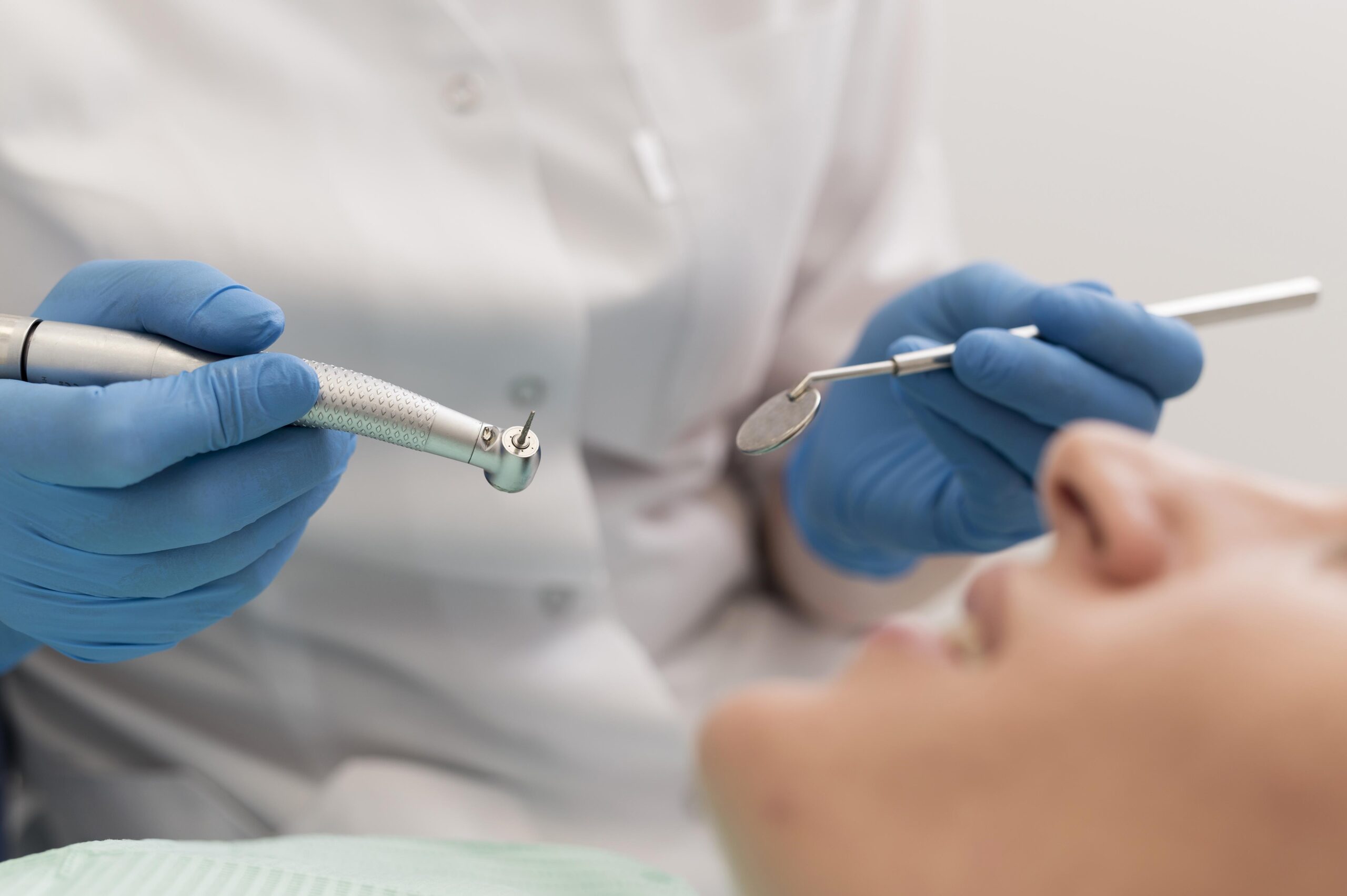
If a mucocele has grown larger, or keeps coming back, removal is needed. Under local anesthetic, we separate the cyst from the surrounding tissue and take it out. Removing the entire cyst wall with care, helps prevent it from recurring. We close the incision with stitches, which are removed after 7 to 10 days.
Removing the Responsible Salivary Gland
Removing only the cyst can sometimes lead to a recurrence, so we may also remove the small salivary gland responsible for it. For a mucocele that keeps coming back in particular, removing the gland along with the cyst lowers the recurrence rate. Because the mouth has many small salivary glands, removing some of them does not affect saliva production.
Laser Treatment
For a small mucocele, we can also cauterize it with a laser, which vaporizes the cyst. This causes little bleeding and little swelling afterward. However, it is not suited to a large cyst or one located deep in the tissue.
How Treatment Works
Medical History & Counseling
Please tell us in detail when the growth appeared, whether it’s getting bigger, and whether you’ve had something similar before. We’ll also check whether you have a habit of biting your lip, and take the time to answer any worries or questions you have about treatment.
Examination & Diagnosis
We look closely at the color, size, firmness and location of the growth. A mucocele is typically clear or pale blue and feels soft and squishy to the touch. In most cases we can diagnose it from how it looks, but if it needs to be told apart from another kind of growth, we may run imaging or a biopsy. (In that case, we may refer you to a hospital dental department or another facility that has the equipment for this testing.)
Explaining Your Treatment
Based on the examination results, we give you a clear explanation of the mucocele’s condition and the treatment options. We let you know whether watching and waiting is enough, whether removal is needed, and if so, how we would carry it out. We explain the cost and length of treatment too, and only begin once you’re satisfied.
Removal Procedure
If removal is needed, we begin the procedure after giving a local anesthetic. Once we’ve confirmed the full effect of the anesthetic, we separate the cyst from the surrounding tissue and take it out. We remove the entire cyst wall with care, and also remove the responsible salivary gland at the same time. We close the incision with stitches and press with gauze to stop any bleeding. The procedure itself takes about 15 to 30 minutes. (Depending on size or circumstances, we may refer you to a hospital dental department or elsewhere.)
Post-Treatment Guidance & Follow-Up
After removal, we check that the bleeding has stopped before you head home. We explain in detail what to watch for afterward and how to take your painkiller. You’ll come back the next day or a few days later so we can disinfect the area and check how the wound is healing. Stitches are removed after 7 to 10 days.
Common Questions
Is it okay to just leave a mucocele alone?
If it’s small and causing no symptoms, watching and waiting is an option. It can shrink on its own if it bursts on its own, but it often grows back. If it grows larger or keeps recurring, we recommend removal.
Can I pop a mucocele myself?
We don’t recommend popping it yourself. Forcing it open can cause an infection or leave a scar. Even if you drain the fluid, the cyst wall is still there, so it will come back. If it concerns you, please have it properly treated at a dental clinic.
Can it come back after removal?
If only the cyst is removed, it can come back. Removing the responsible salivary gland along with it lowers the recurrence rate. That said, if the lip-biting habit continues, a new one can form somewhere else.
Will the scar from removal be noticeable?
Wounds inside the mouth tend to heal in a short period, with little visible scarring. A faint mark from the stitches may remain, but it fades over time. Because we cut on the inside of the lip rather than the outside, there is almost no scar visible from the outside.
Can a mucocele form in children too?
Yes, it can. It is common in teenagers. Biting the lip during class or while playing can cause it. If it concerns you, we recommend coming in sooner rather than later.
Can a mucocele turn into cancer?
A mucocele is a benign growth and does not turn into cancer. That said, testing may sometimes be needed to tell it apart from other kinds of growths. If it hasn’t changed after two weeks or more, keeps growing, or feels like a firm lump, we recommend having it checked just to be safe.
Considering Mucocele Treatment in Takadanobaba
At 歯科ハミール高田88, we carry out a precise examination and appropriate treatment for a mucocele. We remove it through a small incision with care, and we also remove the responsible salivary gland to help prevent it from coming back. Our treatment takes pain into account, so you can have the procedure without worry.
We’re a 1-minute walk from Takadanobaba Station and open on weekends too, so you can visit us between work or school. If you have a blister-like swelling on your lip or inside your mouth, or any growth that concerns you, talk to us. Addressing it early can help you get back to a comfortable daily life.