


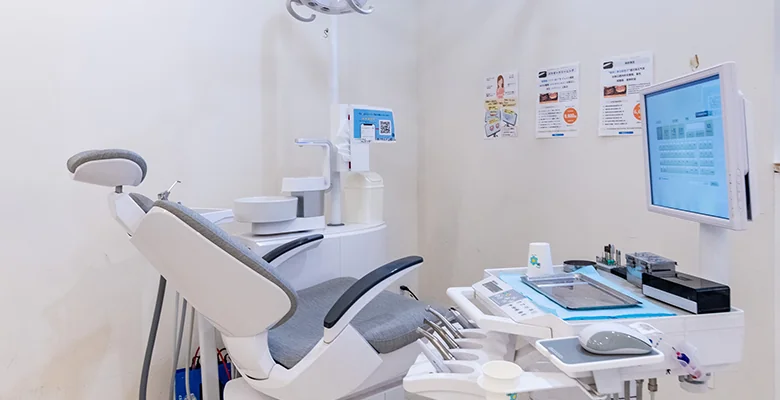
Oral Surgery
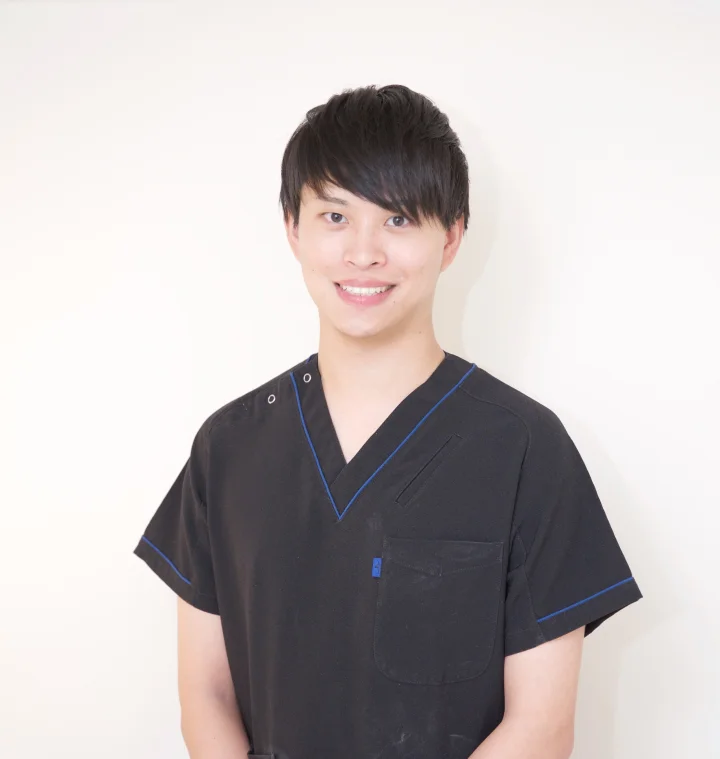
歯科ハミール高田88 Director
Masashi Motegi
Hello, I’m Masashi Motegi, the director.
Oral surgery covers a wide range of surgical conditions in the mouth, jaw and surrounding areas, including wisdom tooth extraction. I trained in the oral surgery department of a general hospital, where I built my skills through many cases.
Many people feel anxious when they hear the word surgery. That’s why at 歯科ハミール高田88, under our philosophy of “hospitality,” we make a point of explaining the cause of your symptoms, what the procedure involves, the risks, and what to watch for afterward in plain language.
Even if you’re unsure whether a symptom around your mouth is something you should bring to a dentist, start by talking to us here in Takadanobaba, your local clinic.
Wide-Ranging Care for Mouth & Jaw Problems

Oral surgery is a specialty that addresses a wide variety of problems in the mouth, jaw and face. Unlike cavity or periodontal disease treatment, it deals with conditions that require a surgical procedure. We handle a broad range of symptoms, including wisdom tooth extraction, growths inside the mouth, temporomandibular joint (TMJ) disorder, and trauma.
Many people have discomfort or pain in their mouth that doesn’t seem to be a cavity or periodontal disease. Symptoms such as swollen gums, a growth inside the mouth, jaw pain that makes it hard to open your mouth, or a tooth broken in a fall are treated in oral surgery.
Symptoms That Call for an Oral Surgery Visit
If you have any of the symptoms below, we recommend an oral surgery visit soon.
Your Wisdom Tooth Hurts or Is Swollen
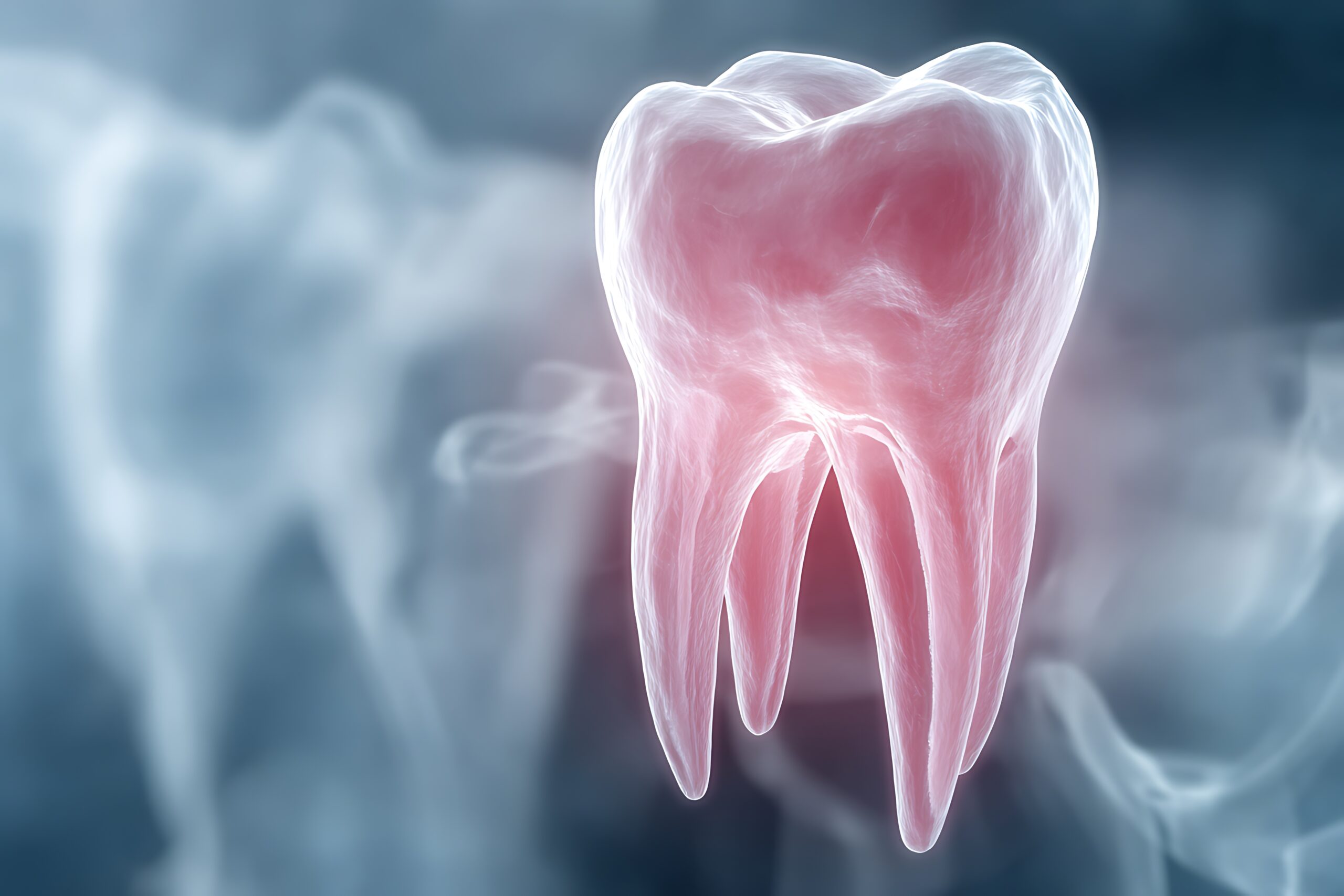
If a wisdom tooth is coming in at an angle, or is impacted and keeps causing pain and swelling, leaving it untreated can make the inflammation worse or lead to a cavity in the tooth next to it. Treating it early can prevent the symptoms from getting worse.
There Is a Growth or Lump in Your Mouth
Most growths are benign, but it’s important to have them checked just to be sure. If something hasn’t healed after two weeks or more, keeps getting bigger, or feels like a hard lump, please come in promptly.
Your Jaw Hurts or You Can’t Open Your Mouth Wide
This may be temporomandibular joint (TMJ) disorder. If your jaw makes a sound when you move it, or pain makes it hard to eat, treating it early can prevent the symptoms from getting worse.
A Tooth Was Broken or Knocked Out in a Fall or Sports Accident
If a tooth has been knocked out of its socket, having it replanted at a dental clinic as soon as possible may allow it to reattach. Please come in right away.
A Mouth Ulcer Hasn’t Healed in Two Weeks or More
An ordinary mouth ulcer heals within one to two weeks. If it lasts longer than that, or keeps growing, it may be a sign of another condition, so an examination is needed.
You Have Swollen Gums or a Swollen Cheek and a Fever
This may mean an infection is spreading, so please come in right away. Extra caution is needed if you also have trouble swallowing or breathing.
Main Symptoms & Treatments We Handle in Oral Surgery
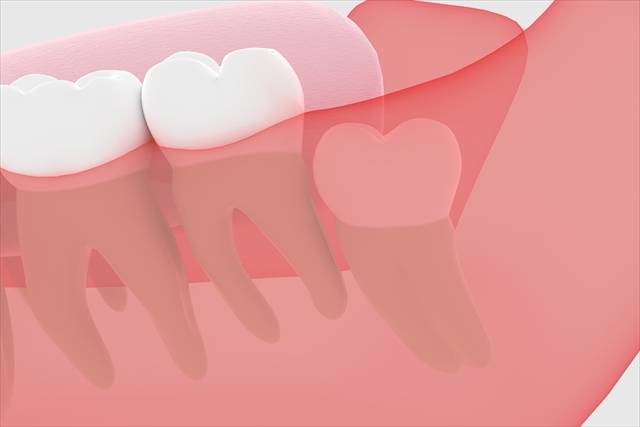
Wisdom Tooth Extraction
Wisdom teeth are the farthest-back teeth to come in, with a typical eruption age of around 20. It’s common for them to grow in at an angle, remain impacted, or have partial eruption. A wisdom tooth impacted sideways can push against the neighboring tooth and cause pain and swelling. It can also be hard to reach with a toothbrush, making it a cause of cavities and periodontal disease.
We decide whether extraction is needed after using X-rays or a CT scan to check the angle and position of the wisdom tooth and its distance from nearby nerves in detail. If it has grown in straight and is causing no problems, there’s no need to remove it. However, if it keeps causing pain and swelling, has developed a cavity, or is harming the neighboring tooth, we recommend extraction.
Learn more about wisdom tooth extraction
Growths Inside the Mouth
Growths that can appear inside the mouth include mucoceles, fibromas and papillomas, among other types. Most are benign, but a small number can be malignant, so if you notice a growth that concerns you, it’s important to have it checked promptly.
A mucocele is a blister-like swelling that forms when a salivary gland is injured and saliva collects inside it. It most often appears on the inside of the lower lip and can heal on its own, but if it keeps coming back, it needs to be removed. A fibroma is a firm lump that forms on the gums or inside the cheek, sometimes caused by irritation.
TMJ Disorder

Symptoms such as jaw pain, difficulty opening your mouth wide, or a sound when you move your jaw may indicate TMJ disorder. TMJ disorder occurs when a problem develops in the jaw joint or jaw muscles. It can be caused by teeth grinding, clenching, a habit of resting your chin on your hand, or stress, among other things.
In mild cases, the symptoms can be eased by improving daily habits or with mouthguard treatment. In severe cases, treatment of the joint or surgery may be needed, but most cases improve with conservative treatment.
Learn more about teeth grinding and TMJ disorder
Treating Dental Trauma
A fall or a sports accident can break or knock out a tooth. You may also cut your lip, tongue or gums. Oral surgery handles this kind of trauma as well.
If a tooth has been knocked out of its socket, having it replanted at a dental clinic as soon as possible may allow it to reattach. Keep the tooth from drying out and come in right away. When you do, try not to touch the root, and bring the tooth in milk or saline solution. If a tooth has broken, bringing the fragment with you may allow it to be bonded back on, depending on the condition.
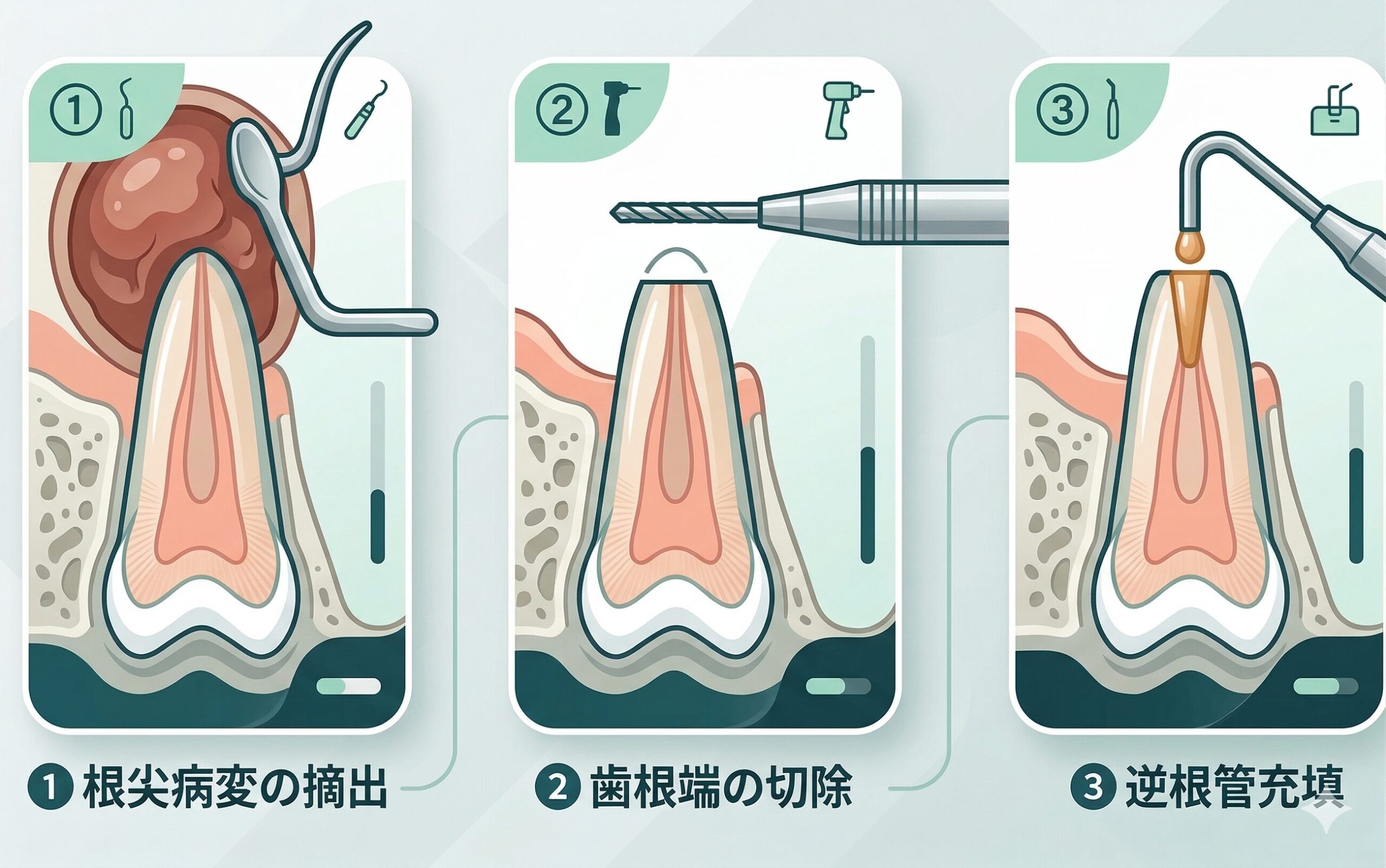
Apicoectomy (Root-End Resection)
If pus has collected at the tip of a tooth root and caused swelling, ordinary root canal treatment may not resolve it. In such cases, we perform a surgical procedure called an apicoectomy. We open the gum, remove the tip of the root, and take out the pocket of pus.
Features of Our Oral Surgery
Knowledge & Skill to Handle a Wide Range of Cases
Drawing on knowledge and skill built through training in oral surgery, we handle a wide range of cases: wisdom tooth extraction, of course, but also impacted tooth extraction and trauma care. Backed by extensive clinical experience, we provide careful examination and appropriate treatment. For difficult cases, we can also refer you to a partner medical institution.
Detailed Examination With Dental CT

Our dental CT scanner lets us check the position of a wisdom tooth, its distance from nerves, and the condition of the bone in detail, in 3D. Because it shows information that an X-ray can’t, we can make a safer, more reliable treatment plan. During extraction, this keeps the risk of nerve damage to a minimum.
Treatment That’s Mindful of Pain
We apply topical anesthetic before the injection, and use an electric syringe to inject the anesthetic at a slow rate, keeping pain to a minimum. For pain and swelling after an extraction, we provide the right medication and provide detailed instructions, so you can stay as comfortable as possible.
An Easy Clinic to Visit
We’re a 1-minute walk from Takadanobaba Station, so we’re well placed to provide care for sudden pain or swelling. We’re also open on weekends, so you can visit around your work or school schedule. A Chinese-speaking interpreter is on staff, so we can also assist you in Chinese.
How Treatment Works
Medical History & Counseling
Please tell us in detail about your current symptoms and concerns. Giving us as much detail as possible, such as when the pain started and what triggers it, helps lead to an accurate diagnosis. We’ll also take the time to answer any worries or questions you have about treatment.
Examination & Diagnosis
We take X-rays and a dental CT scan to closely investigate the cause of your symptoms. If a wisdom tooth needs to be extracted, we check its position and its distance from nerves. If there is a growth, we check its shape, size and location, and may carry out a cytology test or biopsy if necessary.
Explaining Your Treatment
Based on the examination results, we explain your current condition and the treatment method in an easy-to-understand way. If extraction is necessary, we explain in detail how it will be performed, how long it will take, and what to watch for afterward. We also explain the cost and length of treatment, and begin treatment only once you are satisfied.
Treatment Procedure
Treatment begins after anesthesia is given. For wisdom tooth extraction, a tooth that has grown in straight can be removed in a few minutes, but an impacted or sideways tooth may take about 30 minutes to an hour, since the gum must be opened and the bone shaved down. Removing a growth is also done under local anesthesia.
Post-Treatment Guidance & Follow-Up
After treatment, you’ll go home once we’ve confirmed the bleeding has stopped. We explain in detail what to watch for afterward and how to take your painkillers. For an extraction, you’ll come back the next day or a few days later so we can disinfect the area and check how the wound is healing. If stitches need to be removed, this is done a week to 10 days later.
Common Questions
Does every wisdom tooth need extraction?
If it has grown in straight, has no cavity or periodontal disease, and causes no pain or swelling, there’s no need to remove it. However, if it’s growing in at an angle, is impacted, or keeps causing pain and swelling, we recommend extraction.
How much will it hurt after an extraction?
Once the anesthesia wears off, pain can last from a few hours to a few days. We’ll prescribe painkillers, so if the pain is strong, take them rather than putting up with it. The pain usually settles down in about 3 days to a week.
What should I be careful about after an extraction?
On the day of an extraction, please avoid strenuous exercise, taking a bath, and alcohol. Increased blood flow makes bleeding more likely. Also, please avoid sucking hard on the extraction site or touching it with your tongue, as this can reopen the wound or slow healing.
Can a growth in the mouth be malignant?
Most are benign, but a small number can be malignant. If something hasn’t healed after two weeks or more, keeps getting bigger, or feels like a hard lump, we recommend having it examined promptly.
Can TMJ disorder be cured?
In mild to moderate cases, it takes a long time (several months), but symptoms often ease with a mouthguard and better daily habits. In severe cases, specialized treatment may be needed, but most people see improvement.
What should I do if a tooth gets knocked out?
Keep the tooth from drying out by placing it in milk or saline solution, and see a dental clinic as soon as possible. The longer you wait, the lower the success rate of replanting, so please aim to come in within 30 minutes.
Looking for Oral Surgery in Takadanobaba?
At 歯科ハミール高田88, we draw on extensive clinical experience in oral surgery to provide a wide range of oral surgery care, from wisdom tooth extraction to trauma treatment. With precise exams using dental CT and careful treatment that takes pain into account, you can come to us without worry.
We’re a 1-minute walk from Takadanobaba Station and open on weekends too, so we’re set up to provide care for sudden mouth problems. If you’re concerned about a wisdom tooth, worried about a growth in your mouth, or troubled by jaw pain, talk to us.