


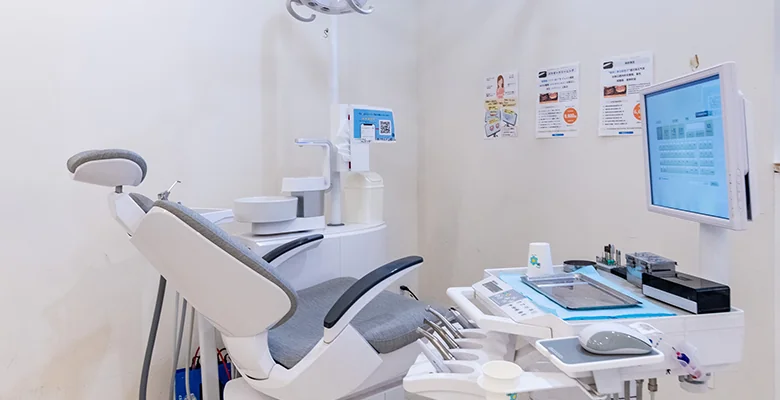
Teeth Grinding & TMJ Disorder Treatment
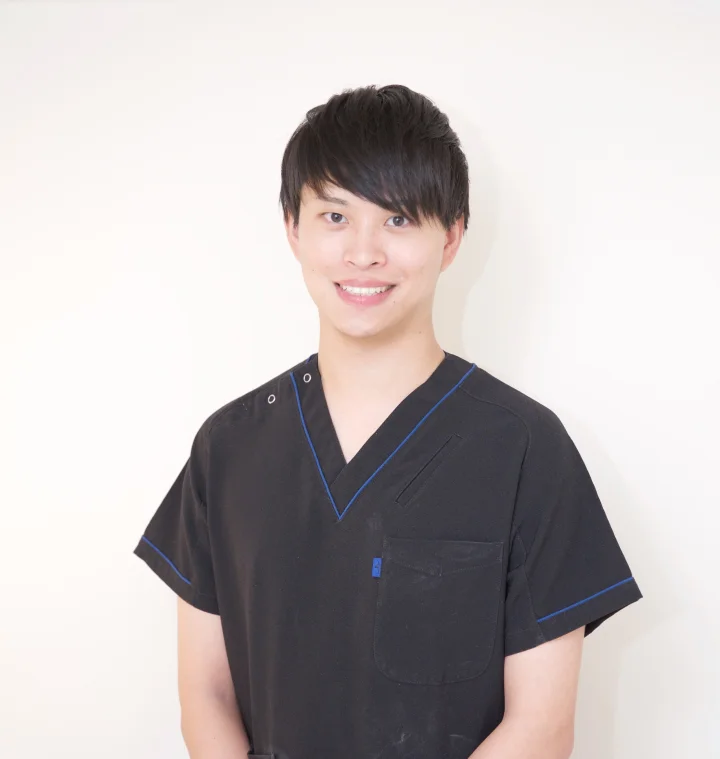
歯科ハミール高田88 Director
Masashi Motegi
Hello, I’m Masashi Motegi, the director.
“My jaw feels heavy when I wake up” or “my jaw clicks when I open my mouth”: these can be signs of teeth grinding or TMJ disorder. Grinding is hard to notice in yourself, yet it can wear down your teeth, damage fillings, and shorten the life of your teeth.
Since my treatment is built around “preserving teeth wherever possible,” protecting your teeth from the effects of grinding is important to me. At 歯科ハミール高田88, we take care to identify the cause of your symptoms and propose a solution suited to you, such as a custom mouthguard.
If something feels off with your jaw, or you notice yourself grinding your teeth, please don’t put up with it. Come see us early. As your local clinic in Takadanobaba, we’re here to support you.
Do You Have Jaw Pain or Discomfort?

Do you suffer from jaw pain, difficulty opening your mouth wide, or a clicking sound when you move your jaw? You might also notice that your jaw or cheeks feel tired when you wake up, or that your teeth keep chipping or cracking. These symptoms may be caused by teeth grinding, clenching, or TMJ disorder.
We identify the cause of your grinding or TMJ disorder and provide treatment suited to your case, such as a mouthguard or lifestyle changes. If jaw pain or discomfort is on your mind, talk to us.
What Is Teeth Grinding and Clenching?
Teeth grinding is the unconscious habit of rubbing your teeth together while you sleep. Sometimes it makes a grinding sound, and sometimes it doesn’t. People often don’t realize they do it, and some only find out when a family member points it out. The medical term for this is bruxism.
Clenching is the habit of biting down hard, during the day or while asleep. You might clench without being aware of it when concentrating, feeling stressed, or lifting something heavy. Like grinding, clenching is a form of bruxism, and it places a heavy burden on your teeth, gums and jaw.
The force involved in grinding or clenching can be considerable, with estimates of three to ten times the force used in normal chewing. If this strong force continues over a long period, teeth can wear down or chip, and fillings or crowns can come loose or break. It can also strain the gums and make periodontal disease worse.
It also affects the joints and muscles of the jaw. Sustained tension in the jaw muscles occurs, causing pain and fatigue. Because the muscles of the neck and shoulders tense up along with them, this can also lead to stiff shoulders and headaches.
What Is TMJ Disorder?
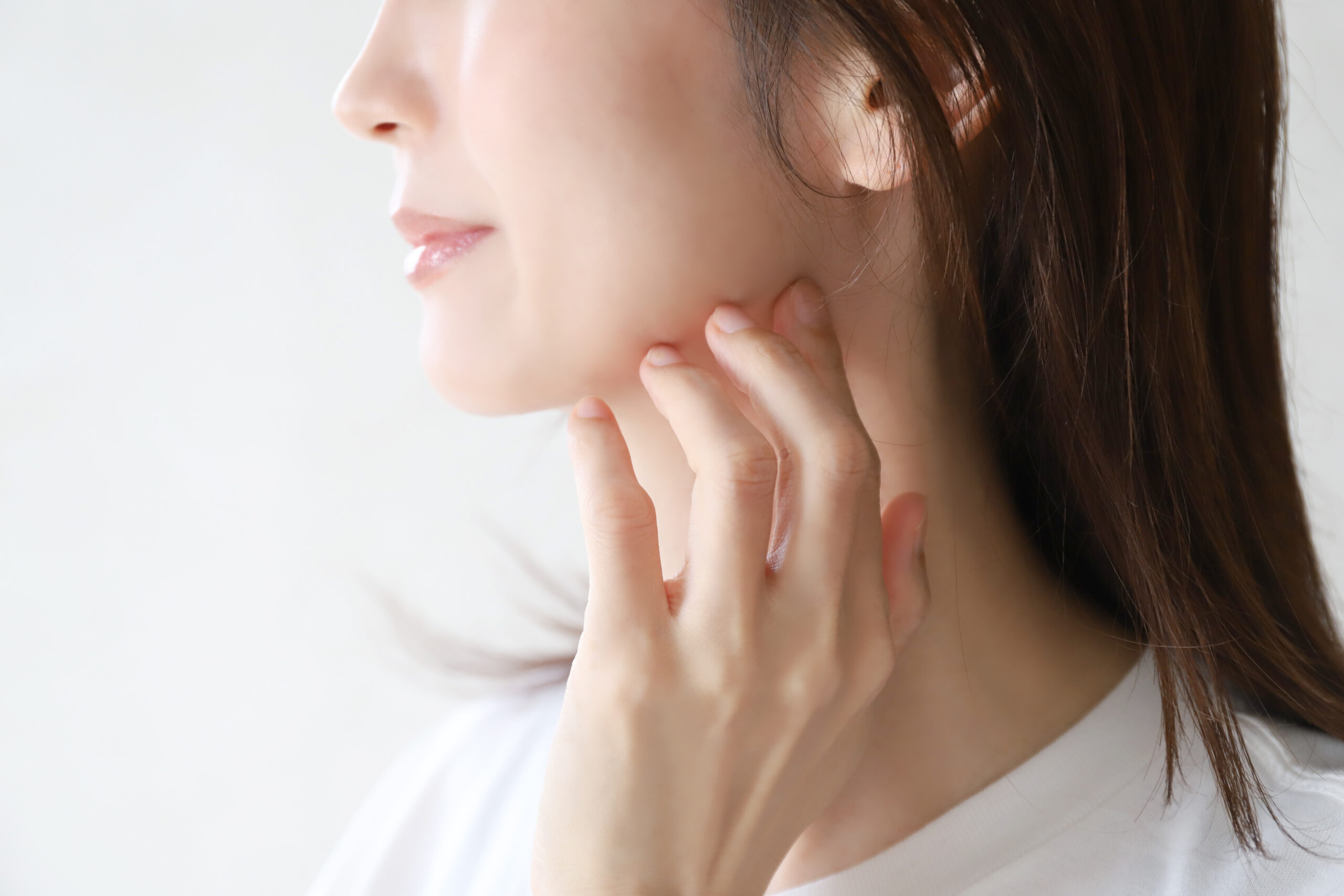
TMJ disorder occurs when a problem develops in the joints or muscles of the jaw. The jaw joint is in front of your ear and moves when you open or close your mouth. When this joint, or the muscles that move your jaw, come under strain, it causes pain and discomfort.
TMJ disorder is common in women in their 20s to 40s. This is thought to be because women are more prone to muscle tension and more affected by hormonal changes. That said, it can also occur in men and older people.
If TMJ disorder is left untreated, the symptoms can worsen and start to interfere with daily life. This can make it hard to eat or talk, or cause the jaw to dislocate. It can also lead to headaches, stiff shoulders, ringing in the ears, and dizziness.
Causes of Teeth Grinding and TMJ Disorder
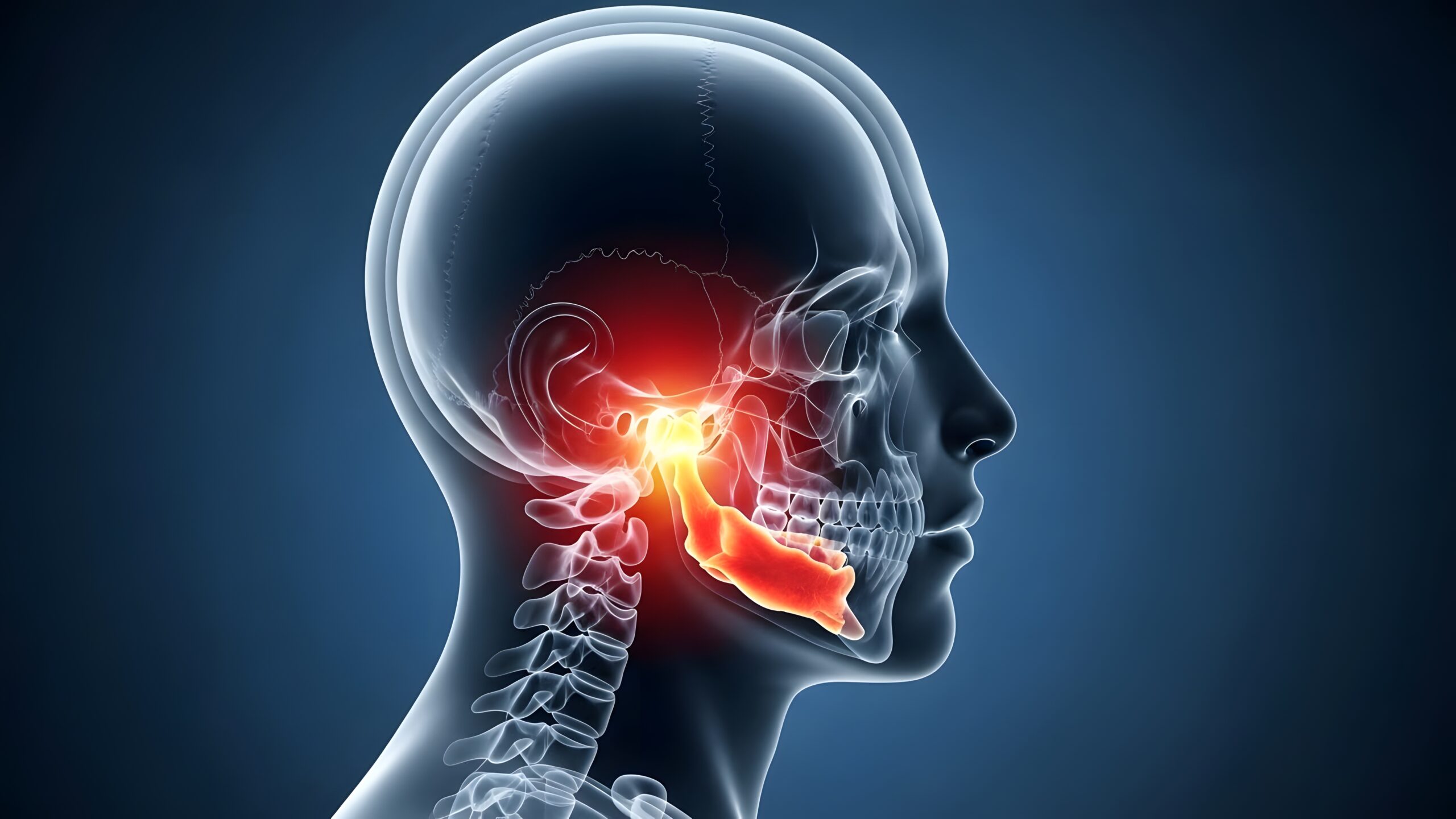
What Causes TMJ Disorder? “TCH” and the Multifactorial Theory
TMJ disorder used to be thought of as mainly caused by “poor bite alignment.” Today, however, the internationally accepted view is the “multifactorial theory,” the idea that it develops from a complex combination of factors, including the ones described below, such as mental stress and everyday habits.
Among these, “TCH” (Tooth Contacting Habit) has drawn attention in recent years as one of the biggest causes. The upper and lower teeth should be apart except when eating or talking. Many people keep them in constant contact without being aware of it. When this continues, it places ongoing strain on the jaw joint and the muscles that move the jaw (the chewing muscles), making it a major factor behind TMJ disorder.
Stress
Stress is one of the biggest causes. Stress from work or relationships, anxiety and tension can all trigger grinding and clenching. There is also a theory that grinding during sleep is a way of releasing stress. When stress builds up, you may also find yourself clenching during the day without being aware of it.
Bite Problems
If crooked teeth, a crown that sits at the wrong height, or wisdom teeth leave your bite unstable, it places strain on the jaw joint and muscles. Leaving a missing tooth untreated can also shift your bite and bring on TMJ disorder.
Lifestyle Habits
Habits such as resting your chin on your hand, sleeping face-down, or chewing only on one side all strain the jaw joint. Poor posture from long hours at a computer or on a smartphone can also tense the muscles of your neck and shoulders, which in turn affects your jaw muscles.
Injury
An injury, such as hitting your jaw in a fall or being struck in the face during sports, can damage the jaw joint. Keeping your mouth open for a long time during dental treatment can cause temporary symptoms of TMJ disorder.
Other Factors
Systemic conditions such as rheumatoid arthritis, hormonal changes, and age-related changes are also thought to play a part. In most cases, symptoms appear from a combination of several causes.
Features of Our Teeth Grinding and TMJ Disorder Treatment
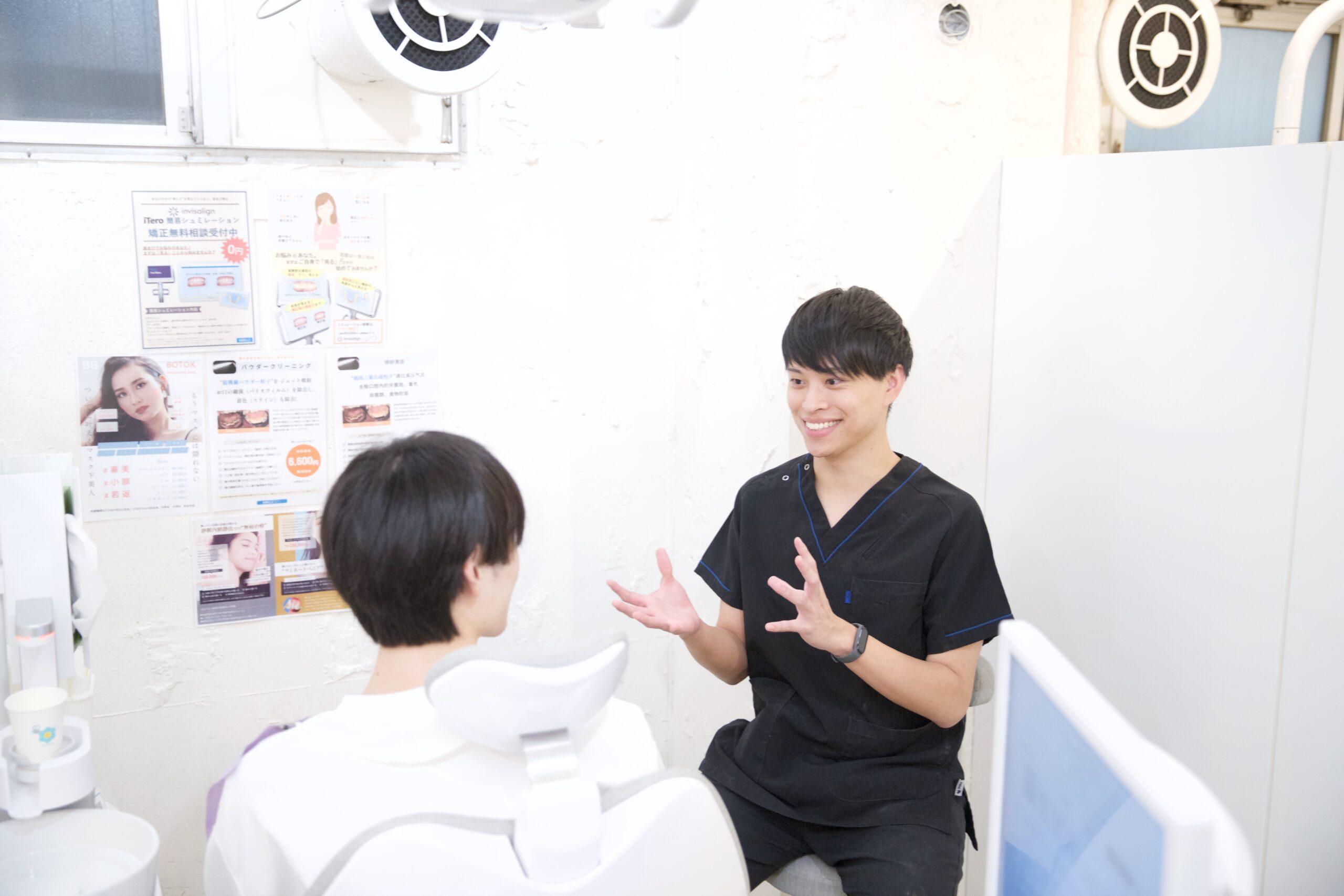
A Thorough History and Examination
The cause of grinding or TMJ disorder differs from person to person. We begin with a detailed history, checking when your symptoms started, when they tend to appear, and what your lifestyle and stress levels are like.
During the examination, we check how wide you can open your mouth, how your jaw moves, any sounds from the joint, and muscle tension. We also take X-rays to check the condition of the jaw joint and your teeth, and if there is a bite problem, we examine your bite as well.
Precise Diagnosis of the Jawbone with Dental CT
An accurate diagnosis of TMJ disorder requires a three-dimensional view of the jaw joint and bone. In addition to a detailed history and examination, we use dental CT for precise imaging where needed. CT helps us assess bone structure. We combine the findings with the clinical examination to assess other possible causes, such as an inflamed wisdom tooth, and plan treatment.
Mouthguard Treatment
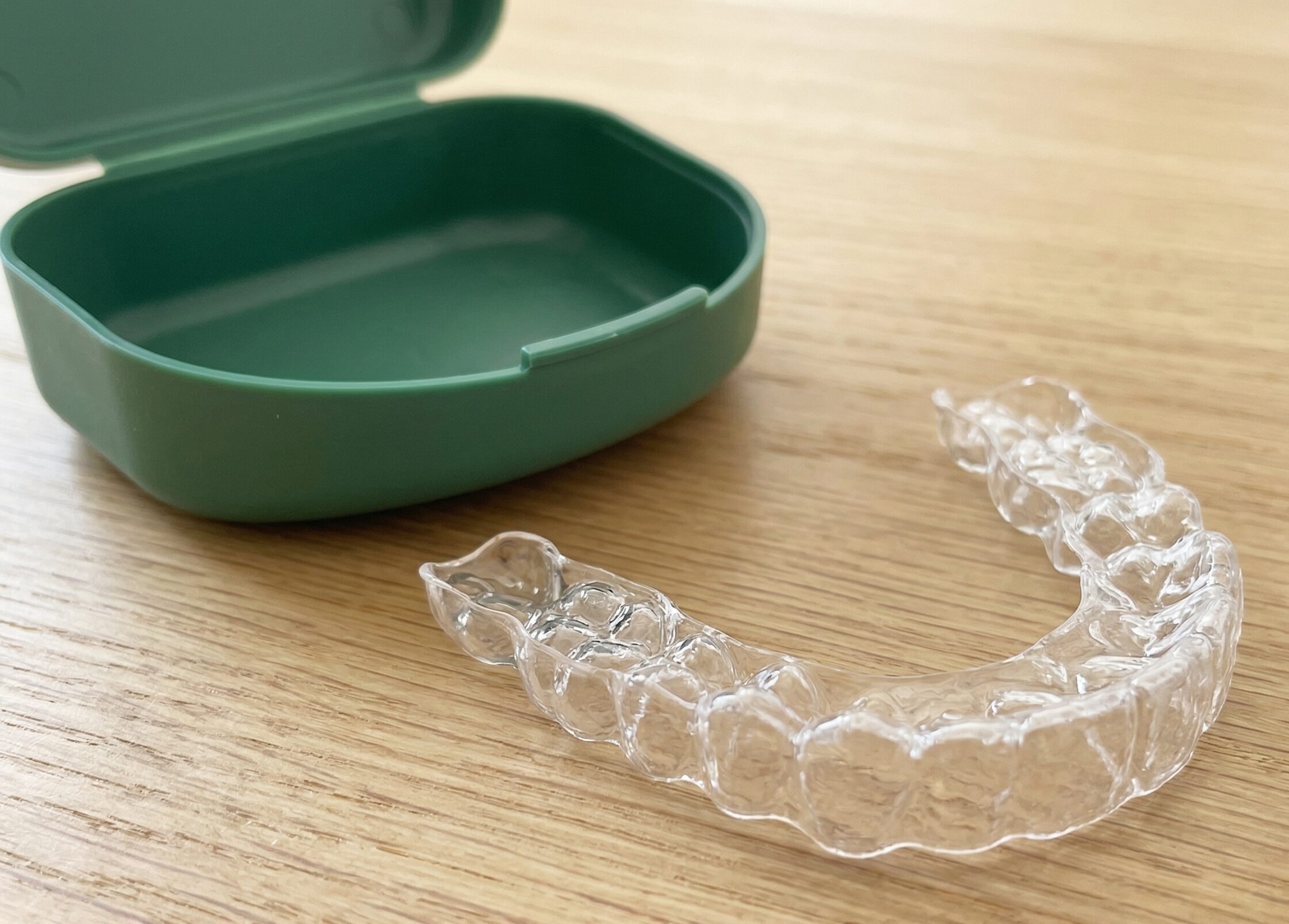
A mouthguard (night guard) is an effective treatment for grinding and clenching. Wearing one while you sleep reduces the strain on your teeth, gums and jaw. The mouthguard wears down in place of your teeth, protecting them.
We make a custom mouthguard molded to your own teeth. Unlike an over-the-counter mouthguard, it provides a secure fit, so it’s more comfortable to wear and more effective.
Botox
Our treatment is built on a “conservative, reversible approach” that avoids unnecessary tooth removal or surgery. Alongside a custom mouthguard, for patients whose clenching force is too strong we also offer options such as Botox (botulinum toxin) injections, which act on the muscles to reduce tension, giving us a wide range of ways to address the root cause.
Guidance on Improving Daily Habits
Alongside mouthguard treatment, improving daily habits matters too. We help you reconsider habits that strain the jaw, such as resting your chin on your hand, sleeping face-down, or chewing only on one side. We also talk with you about ways to manage stress and the importance of taking time to relax.
1 Minute from Takadanobaba Station: Keep Your Symptoms Under Control in an Easy-to-Visit Setting
Improving TMJ disorder takes ongoing observation, adjustments to your mouthguard, and continued attention to your daily habits. We’re a 1-minute walk from Takadanobaba Station and open on weekends, so you can keep up your visits around work or school without strain.
The Risks of Leaving It Untreated: Problems Caused by Teeth Grinding and Clenching
During sleep, grinding and clenching place a strong, sustained force on your teeth and jaw, equal to or greater than your own body weight. Left untreated, this can develop into the serious problems described below.
- Cracked teeth, worn enamel and sensitivity Excessive force can wear down the surface of your teeth (the enamel) and cause sensitivity, or crack your teeth or crowns. It can also damage the gums and bone, raising the risk of rapid progression of periodontal disease.
- A cause of chronic stiff shoulders and migraines When tension in the jaw muscles persists, the muscles of the neck and shoulders tense up along with them. This can lead to whole-body symptoms such as chronic headaches, stiff shoulders, a stiff neck, and even dizziness or ringing in the ears.
- An enlarged jawline from overdeveloped facial muscles Prolonged, strong clenching can cause the muscles that move the jaw (such as the masseter) to grow beyond their normal size. This can widen the jawline and can also lead to an uneven facial shape or posture.
Which Type Are You? Check the 3 Main Symptoms of TMJ Disorder
If even one of the symptoms below applies to you, TMJ disorder may be a possibility.
- “Restricted opening”: You can’t open your mouth wide If you can’t fit your index, middle and ring fingers, stacked one above the other, into your mouth, that’s an indicator of restricted opening due to TMJ disorder.
- “Joint pain”: Pain near your jaw or ear when you open and close your mouth Pain appears in the jaw joint, or in the muscles around your cheek and temple, when you open or close your mouth or eat.
- “Noise”: Your jaw makes a sound when you open it When the disc that cushions the jaw joint shifts out of place, it produces clicking or grating sounds in the joint.
Treatment Matched to Your Symptoms: Mouthguards and Botox
Two Kinds of Mouthguard Therapy to Protect Your Teeth and Jaw
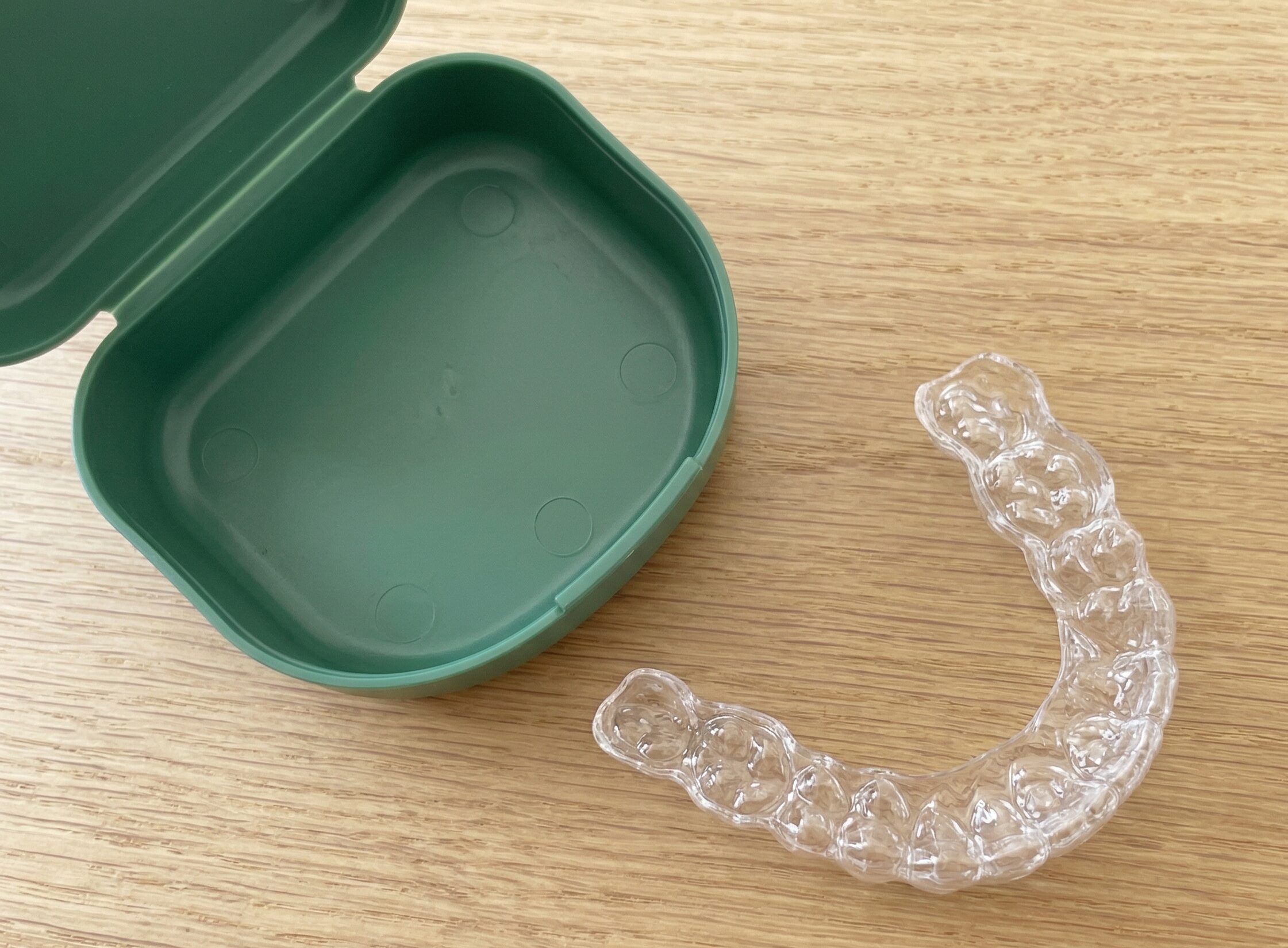
We make a custom mouthguard molded to your own teeth. Unlike an over-the-counter version, it forms a secure fit, which supports its effectiveness and safety. We use two main types, chosen according to the purpose.
- Night guard: An appliance mainly designed to prevent tooth wear and damage from grinding and clenching during sleep, and to reduce strain on the jaw joint.
- Splint: An appliance designed to ease the symptoms of TMJ disorder (pain and restricted opening) by stabilizing the position of the jaw joint and supporting a correct bite.
Botox Injections to Relax Muscles with Excess Tension
This treatment injects botulinum toxin into the muscles responsible for grinding and clenching (such as the masseter) to ease abnormal muscle tension. By relaxing this excessive muscle activity, it can reduce jaw pain and damage to your teeth at their source, and may also help slim an enlarged jawline.
Lifestyle Improvement and Self-Care Guidance (Cognitive Behavioral Therapy)
Alongside mouthguard therapy, we advise you on building awareness and correcting TCH (the tooth-contacting habit) and reconsidering habits that strain the jaw, such as sleeping face-down or resting your chin on your hand. We also take the time to guide you through self-care you can do at home to speed up improvement, such as stretches and massage for the muscles around the jaw and hot-and-cold therapy.
How Treatment Works
Medical History & Counseling
Please tell us in detail when your symptoms started, when they tend to appear, and how they affect your daily life. We will also take the time to answer any worries or questions you have about treatment.
Examination & Diagnosis
We measure how wide you can open your mouth by checking how many fingers, stacked one above the other, fit in; three or more is the usual range. We also check for sounds when you move your jaw and for pain when the muscles are touched. X-rays let us check the condition of the jaw joint and your teeth, and we look for any bite problems as well.
Explaining Your Treatment
Based on the examination results, we give you a clear explanation of the cause of your grinding or TMJ disorder and the treatment options. If mouthguard treatment is needed, we explain in detail how it works and how to use it, and we also advise you on improving your daily habits. We explain the cost and length of treatment too, and only begin once you are satisfied.
Making Your Mouthguard
When mouthguard treatment is chosen, we take an impression of your teeth and make a custom mouthguard. Once it’s ready, we hand it over and walk you through how to put it in, take it out, and care for it.
Follow-Up & Adjustment
Once you start using your mouthguard, we assess your symptoms at regular follow-up visits. We also check the fit and adjust it as needed, ask how your daily habits are coming along, and give you ongoing advice. If your symptoms improve, we may reduce how often you need to wear the mouthguard.
Steps You Can Take in Daily Life
Releasing Stress
It’s important to find good ways to release stress. Moderate exercise, time for your hobbies, and time to relax can all help reduce stress. Getting enough sleep is important too.
Watch for Daytime Clenching
Pay attention to whether you are clenching during the day. You may be doing it without being aware of it while working at a computer, driving, or concentrating on something. The normal state is for your upper and lower teeth to have a small gap between them. Whenever you notice yourself clenching, try to relax your jaw.
Reconsider Habits That Strain the Jaw
Try to break habits that strain your jaw, such as resting your chin on your hand, sleeping face-down, or chewing only on one side. Posture matters too. Keep your back straight and your chin tucked in. If you stay in the same position for a long time, take regular breaks for stretching.
Avoid Hard or Large Foods
Try not to force yourself to bite into hard or large foods. Hard rice crackers, ice and gummy candy all strain the jaw. Try to avoid chewing gum for long stretches too.
Relax Muscle Tension
Warmth helps relax muscle tension. Try placing a warm towel on your jaw, neck and shoulders. Soaking in a bath can help too. However, if you are in a flare-up with strong pain, cooling the area may work better, so please check with your dental clinic.
Try Massage and Stretches
Simple massage and stretching can help too. Use light pressure to massage your jaw muscles, and roll your neck and shoulders to ease muscle tension. Just be careful not to press too hard or force any movement.
Common Questions
Can teeth grinding be cured?
Stress and involuntary habits are the main causes of grinding, so complete elimination can be difficult. That said, using a mouthguard and improving your daily habits can reduce the damage to your jaw and teeth, and help keep your symptoms under control.
Do I need to keep using the mouthguard forever?
Once your symptoms improve, we may reduce how often you need to wear it. However, if the grinding habit continues, we recommend keeping it up to protect your teeth.
Can TMJ disorder heal on its own?
In mild cases, it can improve through changes to daily habits (some data suggest around 70% of people improve within a year). However, if pain continues or you find it hard to open your mouth, leaving it untreated can make it worse and start interfering with daily life, so we recommend seeing us sooner rather than later.
My mouthguard feels uncomfortable
It may feel strange at first, but most people get used to it within a few days. If you cannot adjust to it, or if it hurts, the mouthguard may need adjusting. Just let us know.
My child grinds their teeth too. Do they need treatment?
Grinding in children often happens as part of growing up, and it settles down with growth in most cases. That said, if the teeth have severe wear or your child is in pain, we recommend having them checked.
Which department should I see for TMJ disorder?
Dentists and oral surgeons treat it. We provide TMJ disorder treatment here too, so talk to us. For severe cases, or when specialist treatment is needed, we can refer you to a specialist.
Can I use an over-the-counter mouthguard instead?
We don’t recommend it. An over-the-counter mouthguard doesn’t provide a precise match for your own teeth and bite, so it can throw your bite out of balance and risk making TMJ disorder worse. Please use a custom-fitted mouthguard made for you at a dental clinic.
Considering Treatment for Teeth Grinding or TMJ Disorder in Takadanobaba
At 歯科ハミール高田88, we identify the cause of your grinding or TMJ disorder and provide treatment suited to your case, such as a mouthguard or changes to your daily habits. Through a detailed history and examination, we propose the treatment that fits you.
We’re a 1-minute walk from Takadanobaba Station and open on weekends too, so you can visit us between work or school. If jaw pain, discomfort, or morning fatigue is troubling you, talk to us. Addressing it early can help you get back to a comfortable daily life.